
 中文简体
中文简体
Product Consultation
Your email address will not be published. Required fields are marked *
Content
When a buyer asks about glove colors, the answer is rarely about looks. In disposable gloves, blue has become the default signal for nitrile, natural rubber is off-white, and purple is commonly positioned as a higher chemical-resistance option. In industrial coated work gloves, the logic is different but just as practical: color comes from two sources, liner yarn and coating, and both affect how easily you spot contamination, how quickly gloves look worn, and how simple it is to sort gloves by size, task or department.
Here is the direct answer: the color of a work glove does not change its mechanical protection. The same liner and coating combination performs identically in blue, black or green. Color only changes how the glove behaves in daily management, which makes color decisions operational decisions, not fashion decisions.
Different sectors use color differently. Food plants choose colors that can be detected if a glove fragment falls into a product. Automotive workshops choose dark coatings that tolerate oil and carbon stains. Traffic and logistics teams choose high-visibility orange. Cleanrooms and electronics assembly choose white or light colors that read as low contamination. This guide explains those conventions, distinguishes liner color from coating color, provides a practical reference table, and ends with ordering advice for custom gloves.
There is no single international standard that assigns a fixed meaning to every glove color. What exists is a set of widely accepted conventions built over decades in medical, food and industrial procurement. The seven colors below are the ones most often discussed when buyers search for glove colors.
| Glove Color | Common Association | Typical Applications |
|---|---|---|
| Blue | Standard nitrile examination gloves; strong contrast against skin for easy hole detection | Medical use, food processing, light assembly |
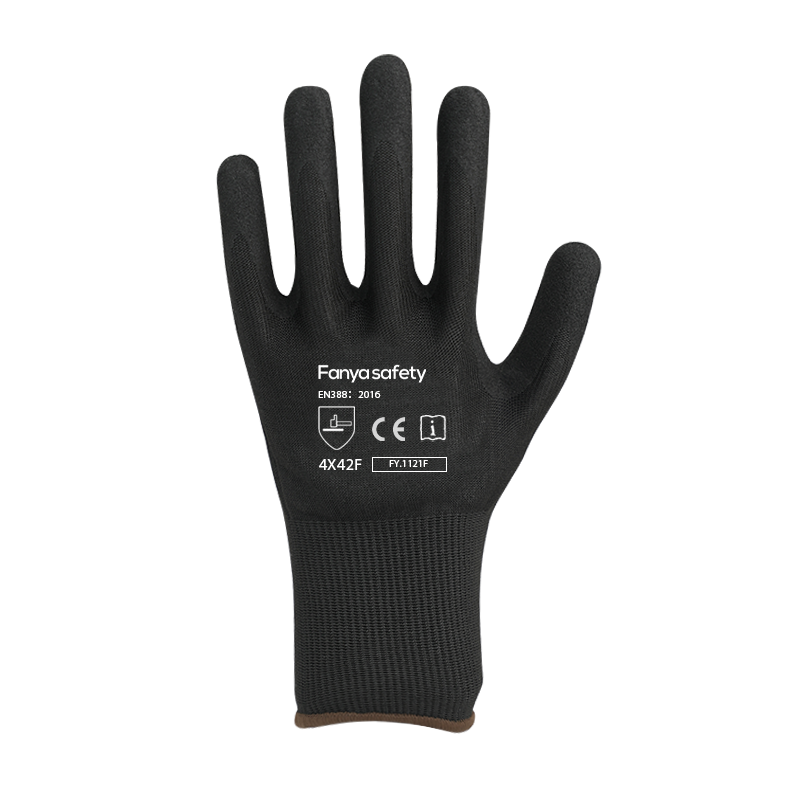
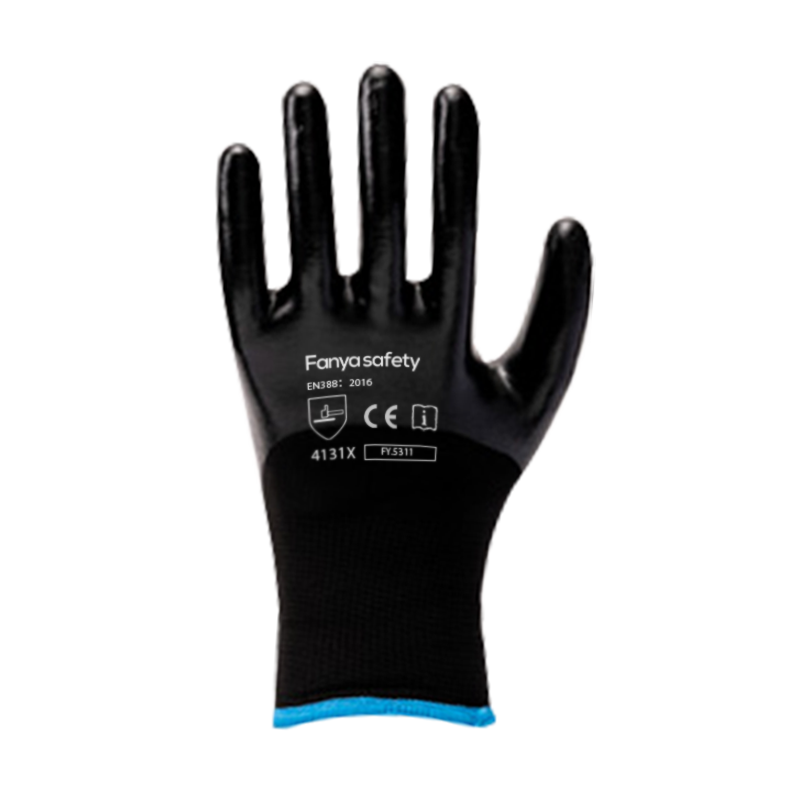
| Black | Heavy industrial look; hides oil, grease and carbon staining | Automotive repair, mechanical workshops, waste handling |
| Orange | High-visibility signal for moving equipment and traffic zones | Roadside work, loading docks, warehouse operations |
| Green | Food service positioning and eco-friendly branding | Food handling, sanitation tasks |
| Purple | Premium chemical-resistance nitrile positioning | Laboratory and chemical handling |
| White | Cleanroom association; low-particulate appearance | Electronics, cleanrooms, medical exams |
| Gray | Neutral industrial coating color | General handling, packaging, sorting |
The pattern is consistent: color in the glove market is a communication tool. It tells the wearer and the safety supervisor which task a glove is intended for, and it helps a compliance team check whether the correct glove is being used on a line. These rules of thumb cover most buying decisions:
For coated work gloves, color is not one thing. It is two layers. Buyers often say "black gloves" when they actually mean a black coating on a white or natural liner. That distinction matters because the two layers behave differently, and each can be customized independently.
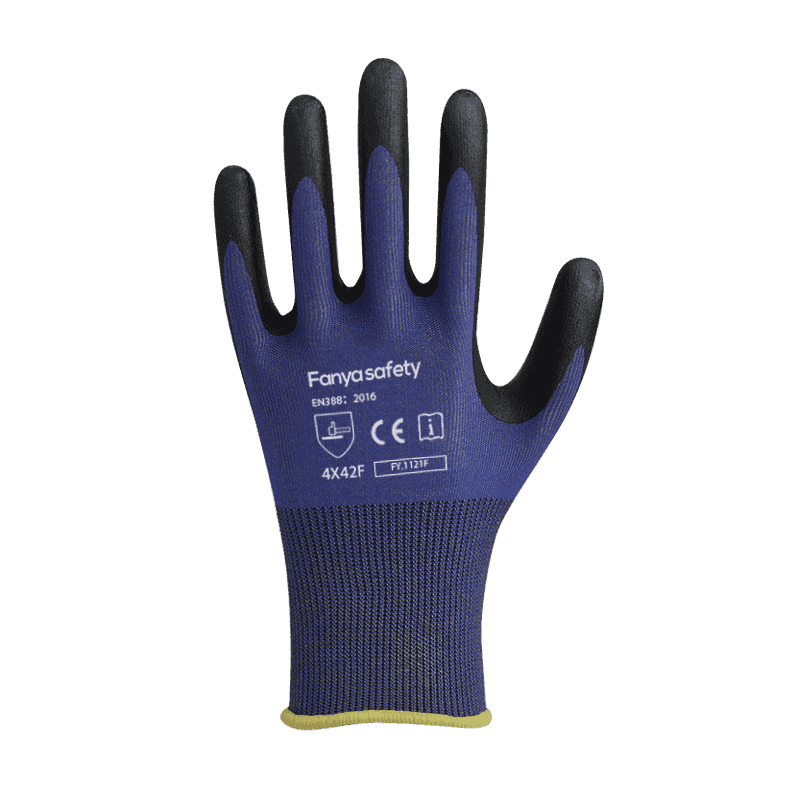
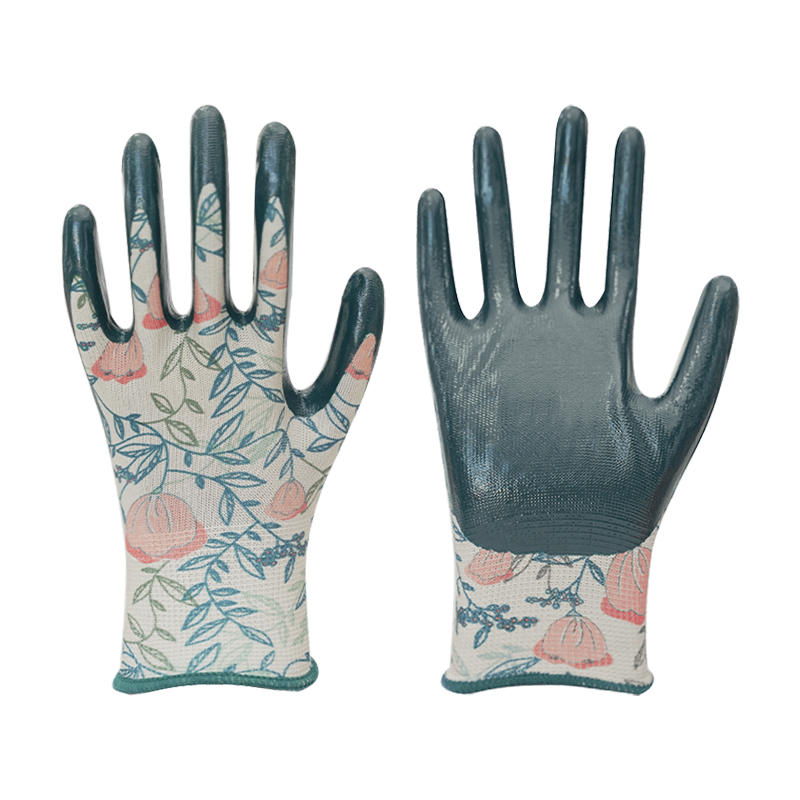
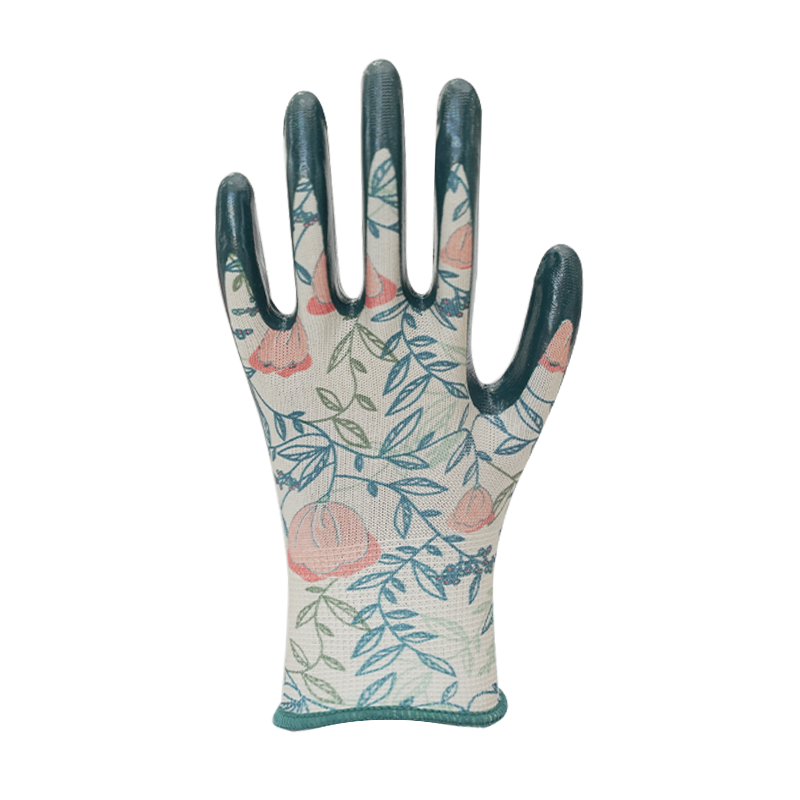
The liner is the knitted glove body. Its color comes from the yarn: polyester, nylon, bamboo, Coolmax, HPPE, glass fiber or steel wire. Natural polyester and bamboo liners are off-white; HPPE liners are usually white to pale yellow; colored versions are achieved with dyed polyester or nylon yarn. When buyers want color in a cut-resistant design, the practical path is a colored polyester liner.
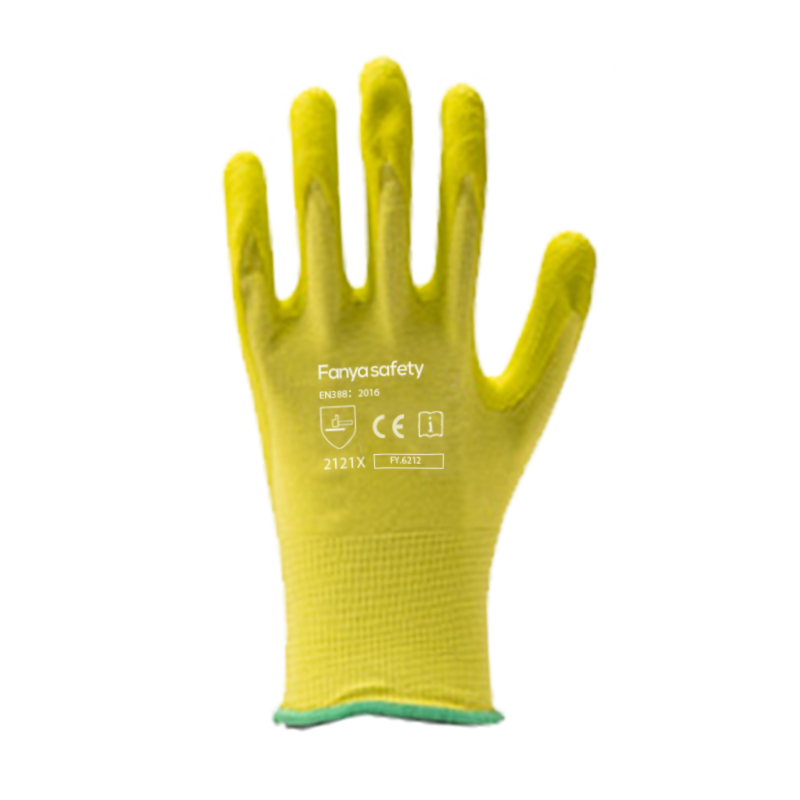
One example we produce regularly is the 13-gauge colored polyester liner nitrile-coated gloves, which use dyed yarn for department coding or brand color while keeping the nitrile palm coating for grip and abrasion resistance.
 Custom 13G polyester colored liner with nitrile coating Suppliers, Company - JiaJiangsu Fanya Labour Protective Products Co., Ltd is China custom 13G polyester colored liner with nitrile coating suppliers and company....View Product →
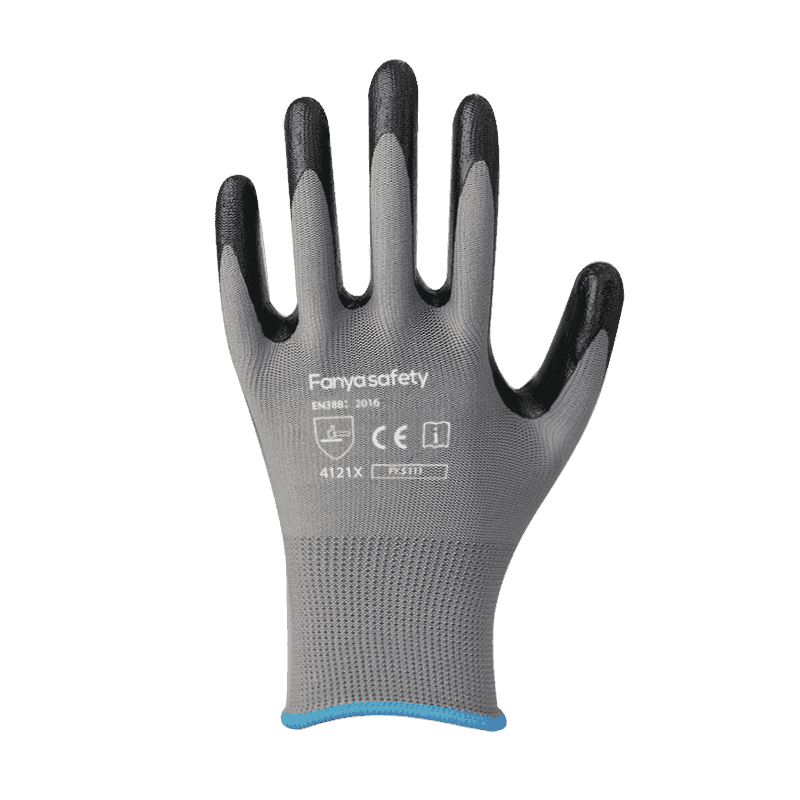
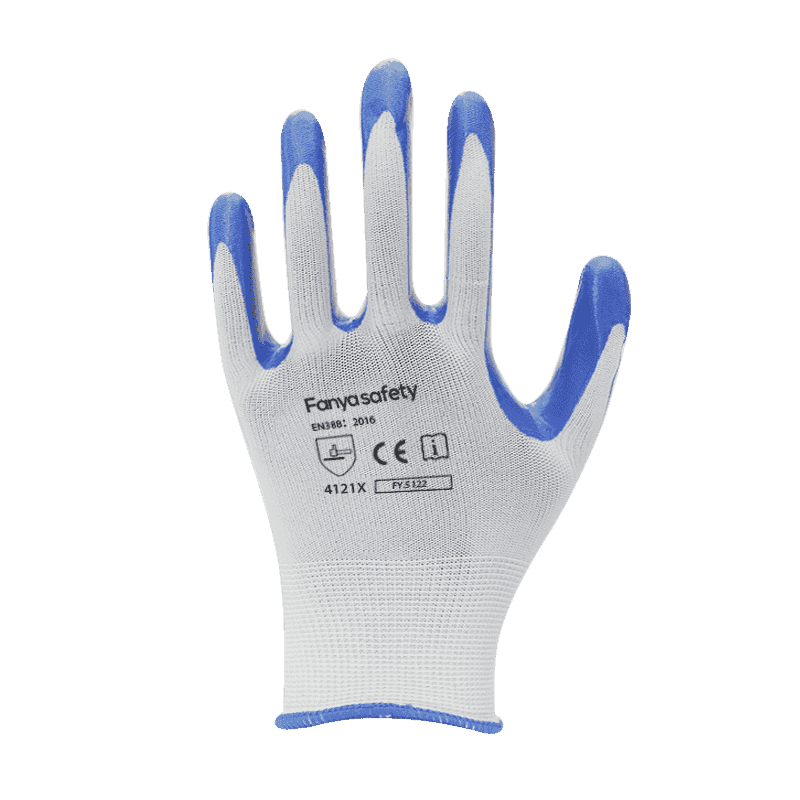
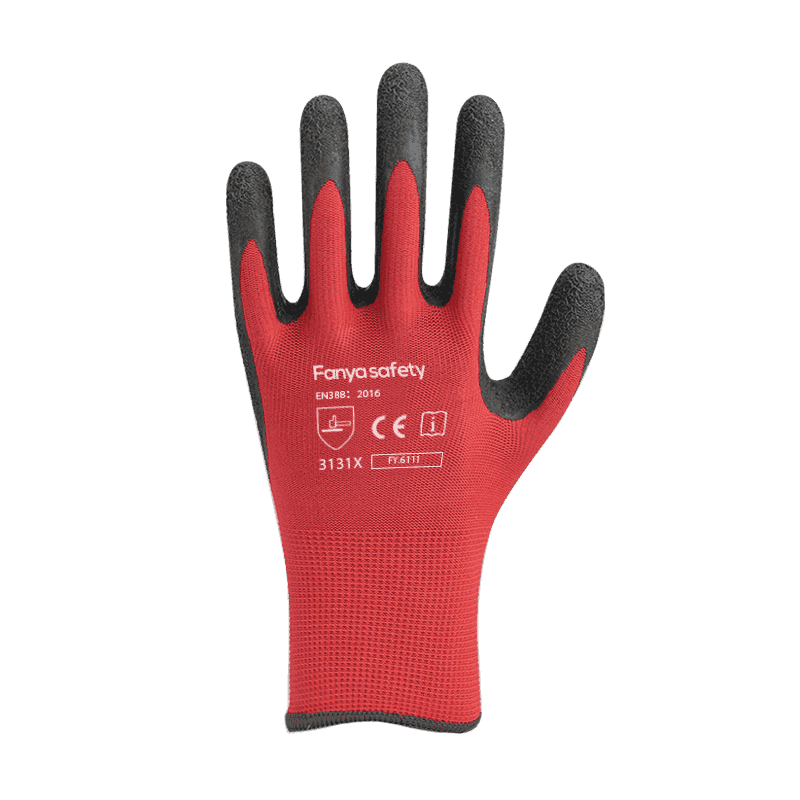
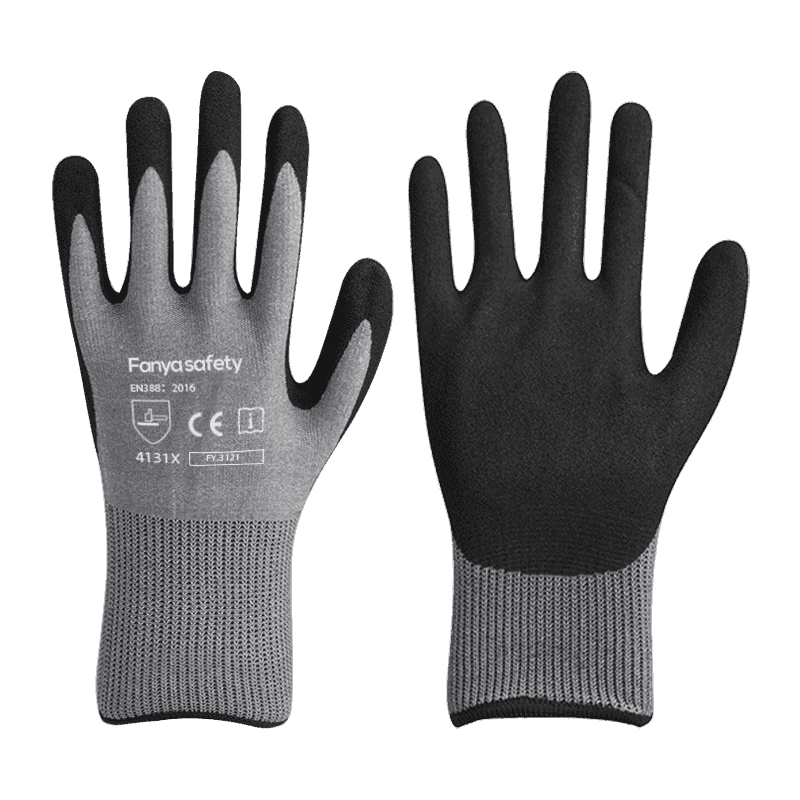
Coatings have their own palette. Natural latex is amber to off-white; nitrile coatings are usually black, gray or blue; PU coatings can be translucent, white or black; PVC is often clear or lightly tinted; sandy nitrile is commonly black or gray. Foam coatings also carry typical colors depending on the compound and pigment used.
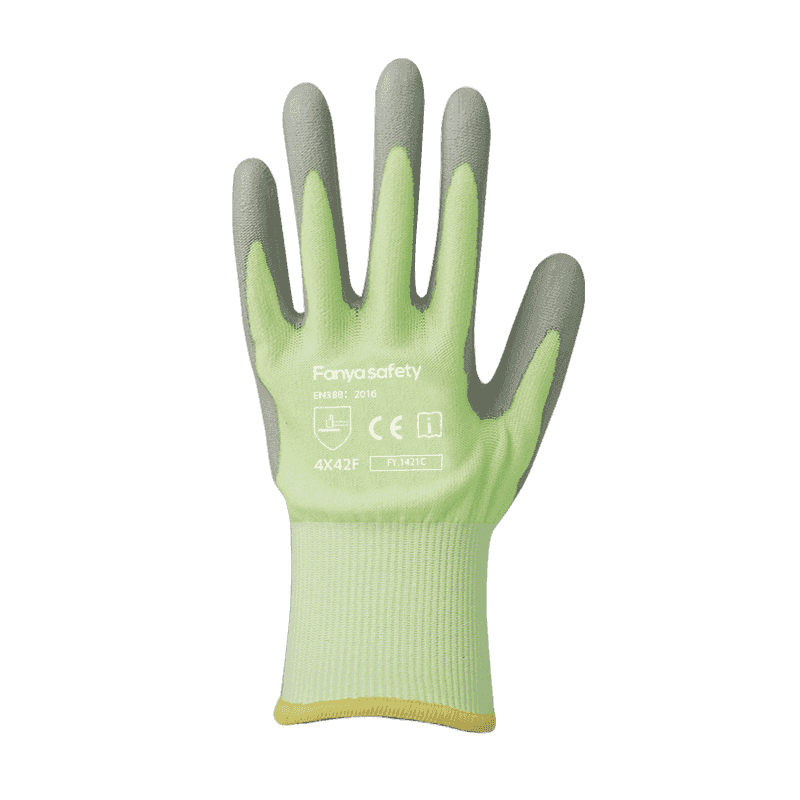
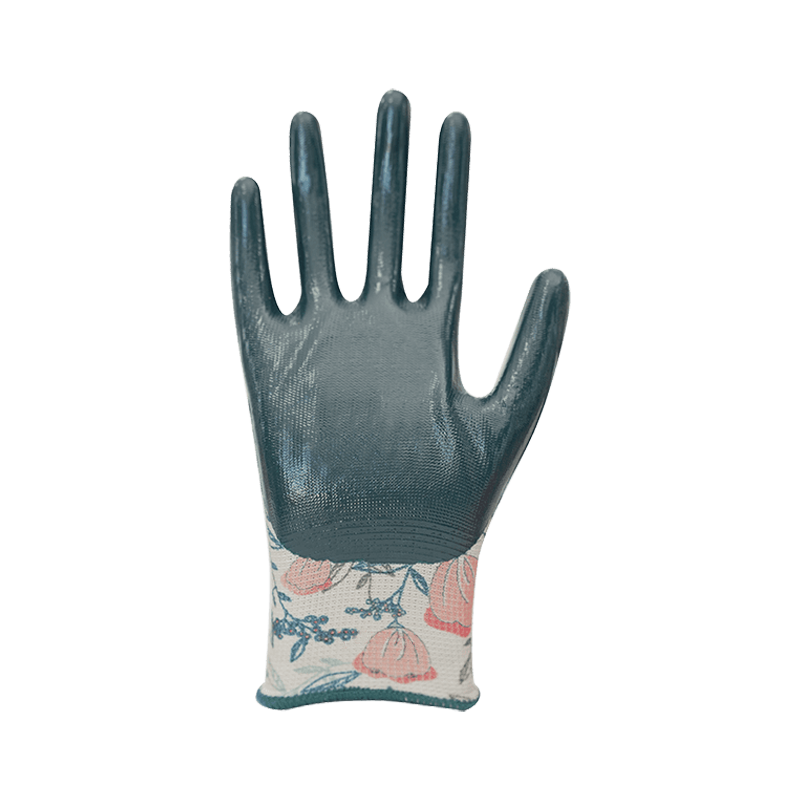
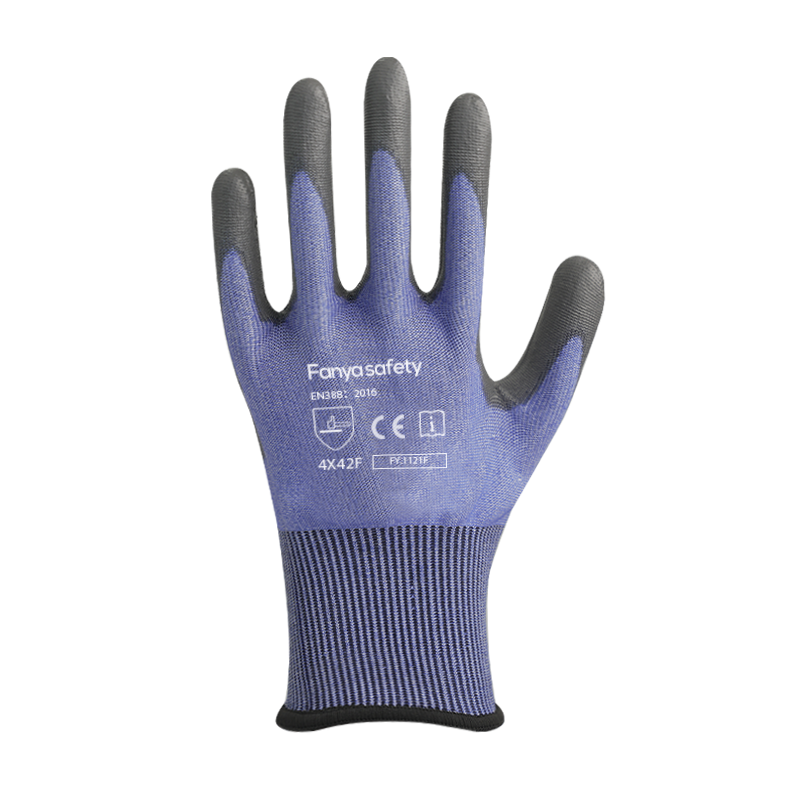
The practical effect: you can combine a light liner with a dark coating, or use the same coating in different colors for different departments. Two gloves with identical grip patterns but different coating colors perform the same in a cut or abrasion test. For example, our PU-coated cut-resistant work gloves keep a natural HPPE liner and a translucent PU coating, a popular combination in assembly rooms where light inspection is critical.
 Custom 18G high strong HPPE fiber liner with PU coating Suppliers, Company - JiaJiangsu Fanya Labour Protective Products Co., Ltd is China custom 18G high strong HPPE fiber liner with PU coating suppliers and company....View Product →
A note on the maker side: Jiangsu Fanya has produced coated work gloves since 2008, running 17 automated production lines and two knitting workshops with an annual capacity of 5 million dozen pairs. Colored liner yarns and coating colors are both part of the standard customization work handled in-house, which keeps color matching and sampling under one roof.
The fastest selection method is to define the dominant requirement first. Soil visibility, contamination control, safety visibility or color coding each points toward a different palette.
Mechanics, construction crews and waste handlers benefit from black or dark gray coatings. These gloves meet oil, grease, carbon and concrete slurry daily. A black coating tolerates normal soiling without forcing a worker to stop for a "dirty" glove, so the glove is replaced only when protection is genuinely worn out.
White or light liners make contamination visible, which is exactly what food safety teams want. Blue is a stronger contrast against most food products, so a blue fragment is easier to detect in processing. Light coatings such as translucent PU or white latex expose staining rather than hiding it; that trade-off makes sense in industries that change gloves frequently by design.
Roadside work, loading docks, shipping yards and construction zones reward bright orange, yellow or lime green because these colors are easier to see at distance and in peripheral vision. Cut-resistant protection does not have to be sacrificed: our cut-resistant glove collection includes HPPE-based liners that can be paired with coatings for visibility, and many buyers add a bright liner or cuff beneath a dark palm coating.
Another common pattern is color coding by department, shift or glove size. One color for each team or each size reduces mix-ups on a busy production floor. Colored liners also support own-brand ranges where the glove color is part of the product identity.
Color is also a quality-check tool. A shift in coating color between batches can signal a different pigment lot, compound batch or curing condition. When gloves arrive from a manufacturer, a quick visual comparison of color consistency is a legitimate inspection step.
| Defect | Likely Cause | Buyer Check |
|---|---|---|
| Shade variation between batches | Different pigment batch or cure temperature | Compare samples from different production lots |
| Bleeding or fading after washing | Low dye quality or aggressive washing | Wash a sample item and check for color loss |
| Patchy or spotted coating | Poor mixing or application | Inspect palm and back surface under even light |
| Liner showing through unevenly | Coating thickness variation | Check coverage at fingertips and thumb crotch |
A dependable supplier should lock the color to a pre-production sample before mass production starts. That sample becomes the baseline for every later shipment, so both sides agree on the shade before large quantities are produced.
Six steps, in order:
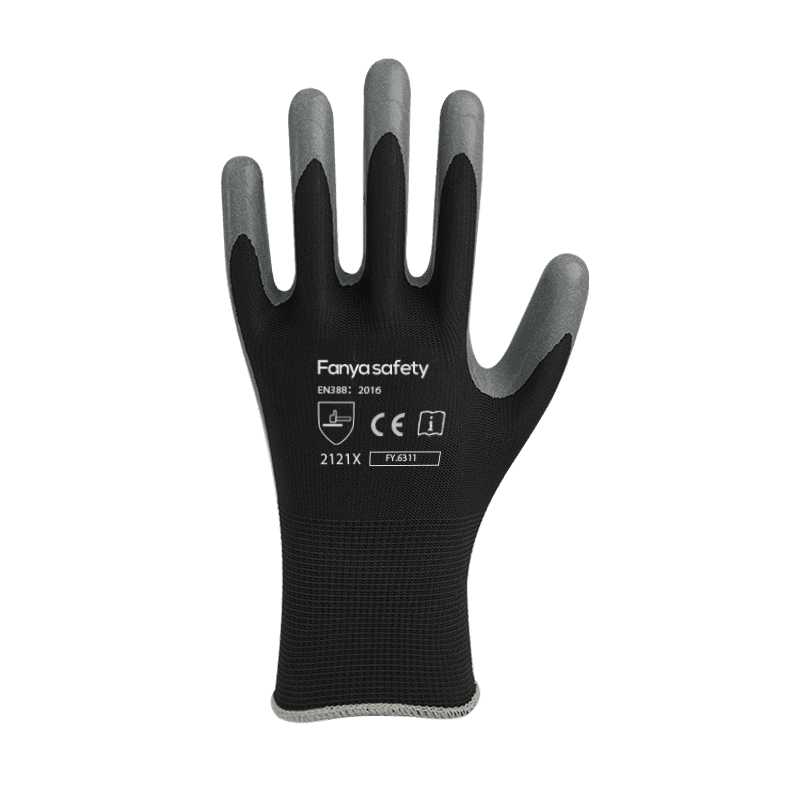
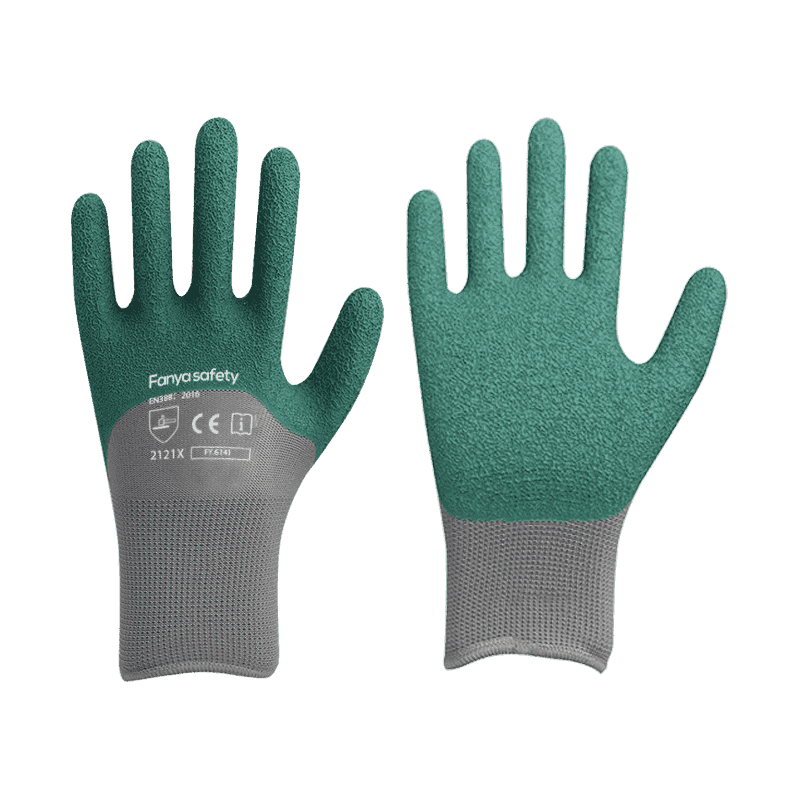
Sandy nitrile coated gloves available in black and gray versions are a good example of color choices in real use: black suits oily operations, gray looks cleaner in lighter assembly environments. If the production line is still undecided between coating types, the comparison of foam gloves versus latex gloves will help narrow the decision before the color is locked. Another frequently requested option is the 13-gauge polyester latex-coated work gloves, where the natural latex color pairs with an off-white liner for a classic, food-friendly look.
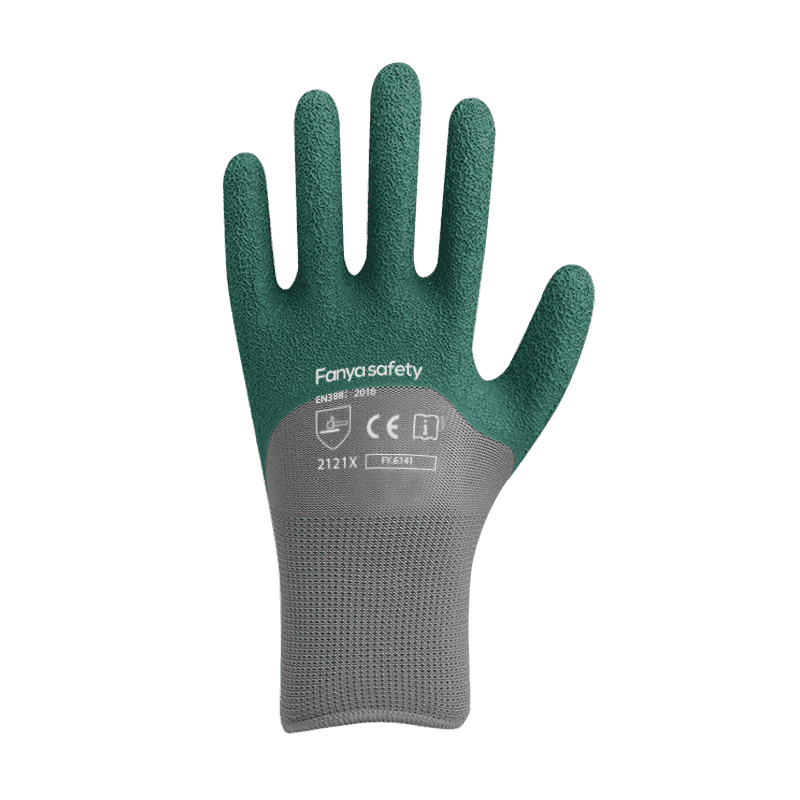 Custom 13G polyester with latex coating Suppliers, Company - Jiangsu Fanya LabouJiangsu Fanya Labour Protective Products Co., Ltd is China custom 13G polyester with latex coating suppliers and company.Art.No.:FY.6141View Product →
No. Colors follow industry conventions, not a fixed global rule. Blue is broadly associated with nitrile examination gloves, purple with chemical-resistance positioning, and orange with high visibility; but safety properties always come from the liner, coating and performance data, never from pigment alone.
Not automatically. Durability depends on coating thickness, compound formulation and liner design. If the specification is identical, black and blue versions last the same.
Yes. Work glove makers offer colored polyester liners and coating color choices. HPPE or specialty fiber liners are usually left natural for cost and yarn availability, but coatings can still be customized. This kind of customization is handled on-site by Jiangsu Fanya for both stock and tailored programs.
Black and dark gray coatings hide oil, grease and carbon soiling best. Light coatings reveal soiling quickly, which is desirable in food preparation and clean assembly where contamination must be visible.
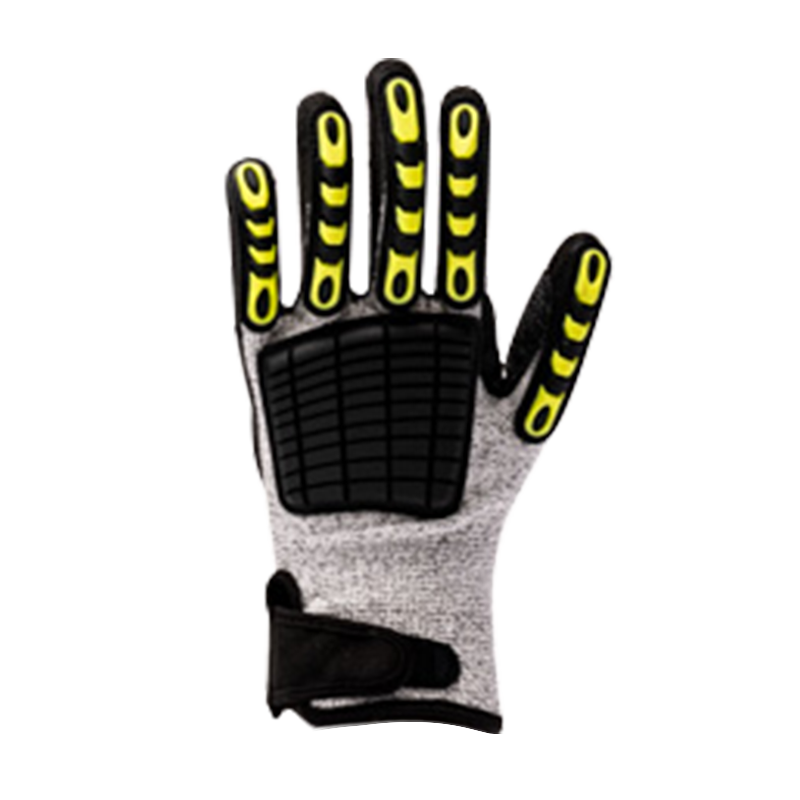
They improve visibility, especially outdoors or near moving equipment. For complete protection, combine a bright color with high-visibility cuffs and impact or cut-resistant structure where the risk assessment requires it.
No. Grip comes from foam, sandy or textured structure; cut resistance comes from liner fibers such as HPPE, glass fiber or steel wire. Pigment does not alter either property.
Treat color as a specification, just like size or coating type. Define the dominant requirement: dirt tolerance, contamination control, safety visibility or sorting. Then confirm the liner and coating combinations with the supplier. Keep a reference sample for every order, and you will avoid most color-related disputes on later shipments.
The right color will not improve the cut level or grip of a glove, but it will make the glove easier to manage, easier to trust and easier to reorder. That is what color actually means in a work glove.
High Performance Polyethylene Gloves: How to Choose HPPE Cut-Resistant Work Gloves
Plastic Gloves for Cooking: Materials, Sizing & Durability Guide
Your email address will not be published. Required fields are marked *
You can contact to me using this form.