
 中文简体
中文简体
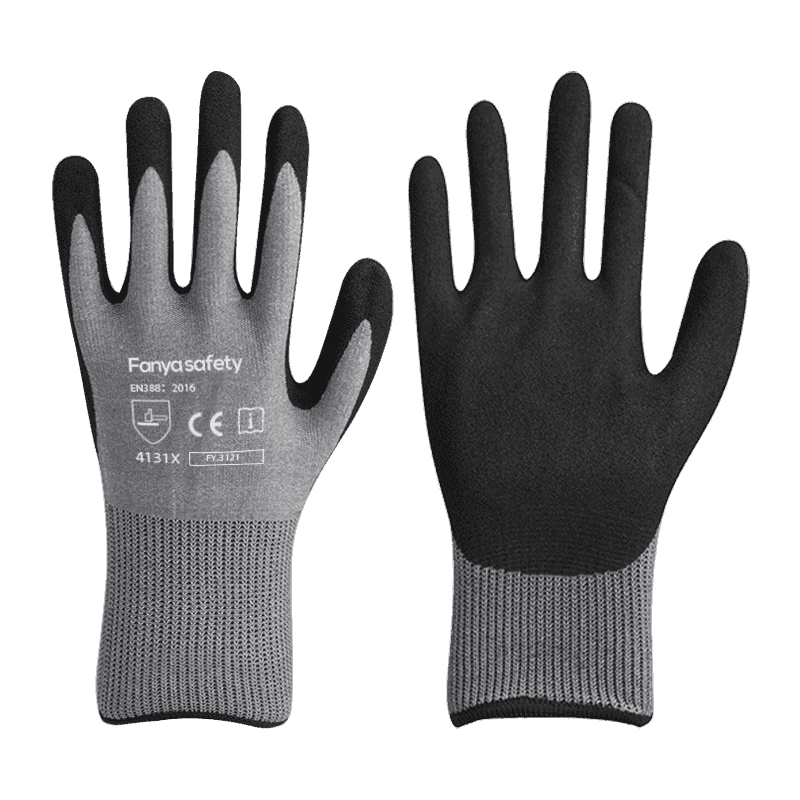
Product Consultation
Your email address will not be published. Required fields are marked *
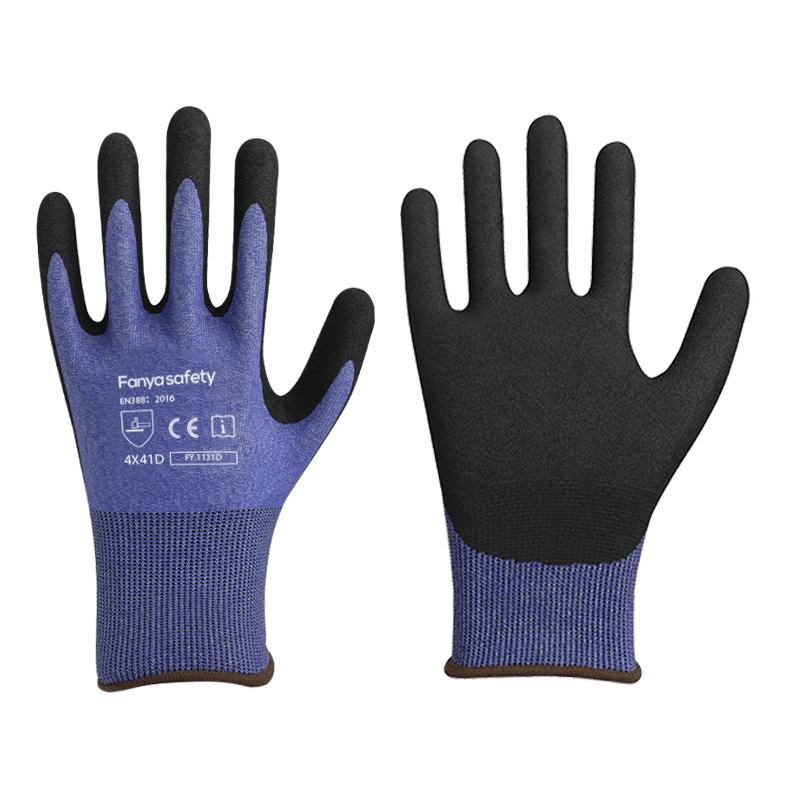
Content
High performance polyethylene (HPPE) gloves are the most balanced cut-resistant hand protection for industrial work because they combine cut resistance with light weight, breathability, and finger dexterity. Unlike leather or cotton gloves, HPPE liners do not rely on thickness to stop cuts and abrasion. They rely on ultra-strong polyethylene filaments arranged in a dense knit. A 13-gauge or 15-gauge HPPE liner can deflect sharp edges, metal burrs, and glass shards while still letting the wearer feel small parts and stay comfortable through a full shift.
The practical conclusion for procurement teams: evaluate HPPE gloves through three variables only — liner gauge, fiber mix, and coating type. Liner gauge (13G to 21G) controls dexterity and knit density. Fiber mix (pure HPPE, or HPPE blended with glass, stainless steel, or tungsten wire) controls the cut protection level. Coating type (polyurethane, foam nitrile, sandy nitrile, latex, or PVC) controls grip, abrasion behavior, and performance in oily or wet conditions.
This guide explains each variable with comparison tables, real workstation scenarios, and a step-by-step selection checklist, so you can match the right high performance polyethylene glove to the specific risk profile of each job.
High performance polyethylene is the industrial term for fibers spun from ultra-high molecular weight polyethylene (UHMWPE). During production, the long polymer chains are drawn and aligned under tension, which gives the fiber a tensile strength roughly 15 times higher than steel wire on an equal-weight basis. Because the material is also extremely light — specific gravity around 0.97, which means it floats in water — a glove liner made from HPPE stays thin, flexible, and cool to wear all day.
Before choosing a liner, it helps to define what work gloves are and how they are classified. That baseline narrows down the field quickly and prevents over-specifying protection you do not actually need.
All HPPE gloves start with the same base fiber. The real difference in cut protection comes from what manufacturers blend into that base. Glass fiber adds stiffness and interrupts blade movement. Stainless steel wire adds a metallic barrier that stops sharp edges. Tungsten wire does the same at an even higher hardness level, which is why it appears in gloves exposed to repeated blade contact.
| Fiber Mix | Key Effect | Typical Use |
|---|---|---|
| Pure HPPE | Light weight, good basic cut resistance, maximum flexibility | Assembly, packaging, handling plastic or cardboard |
| HPPE + glass fiber | Stiffer knit, higher cut resistance, slightly less flexibility | Sheet metal, glass handling, general fabrication |
| HPPE + stainless steel wire | Strong metallic cut barrier while keeping flexibility at higher cut levels | Metal stamping, scrap sorting, cutting operations |
| HPPE + tungsten wire | Very high cut resistance; hardened wire stands up to repeated blade contact | Glass manufacturing, recycling, heavy grinding environments |
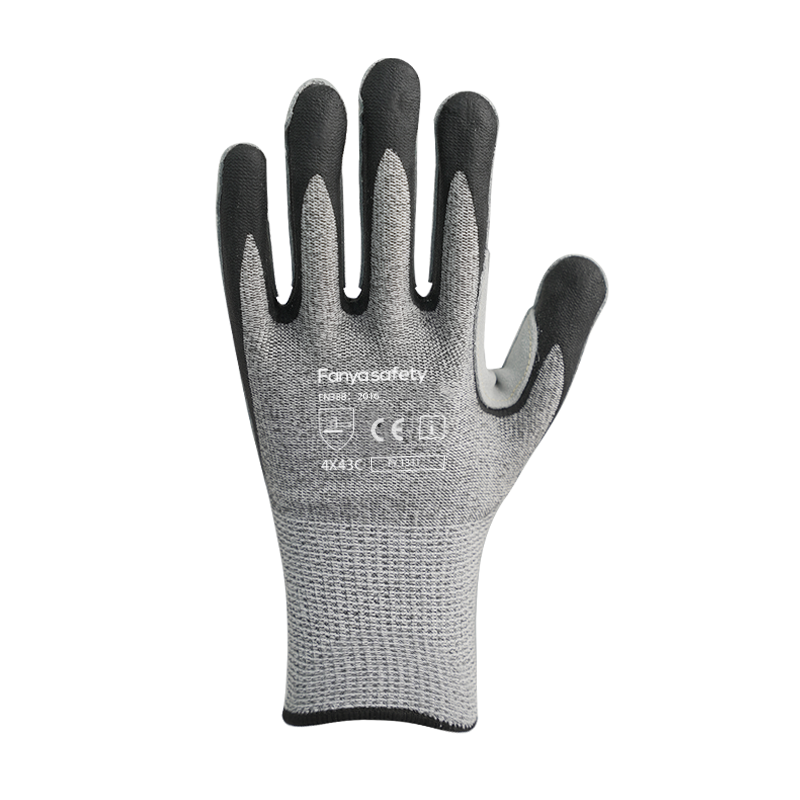
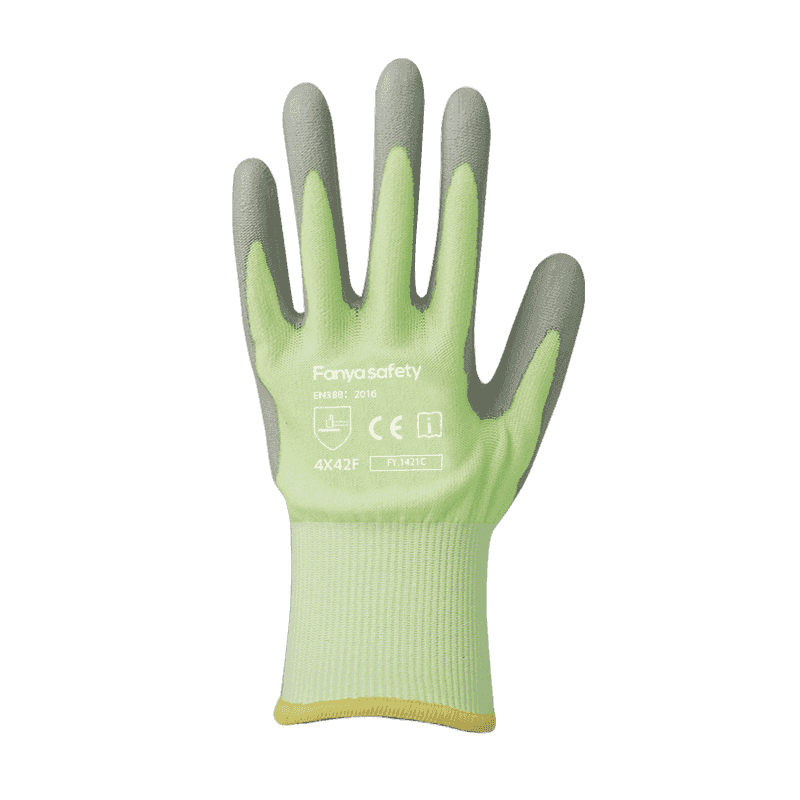
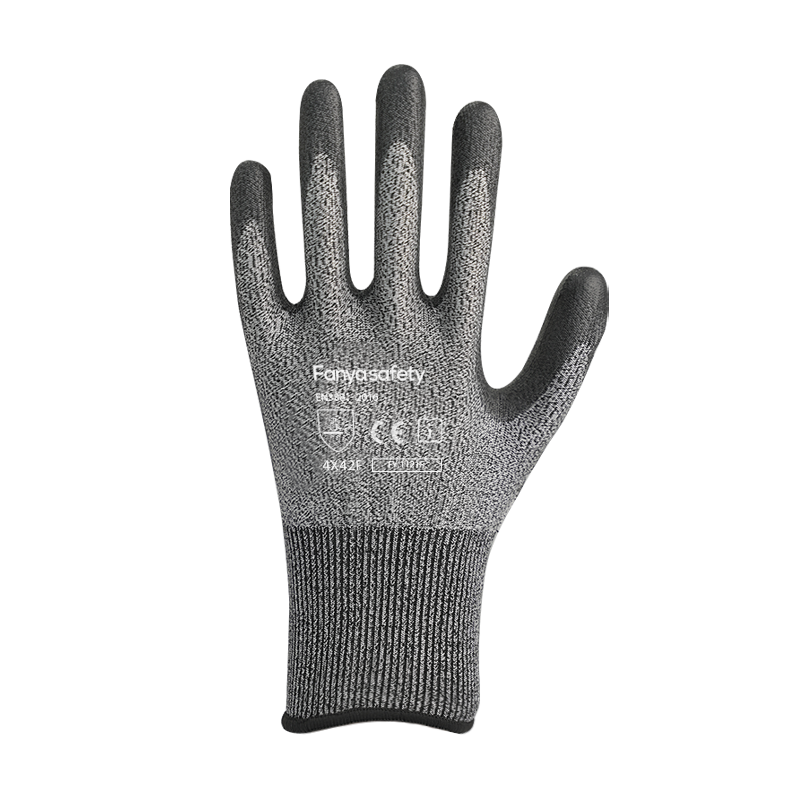
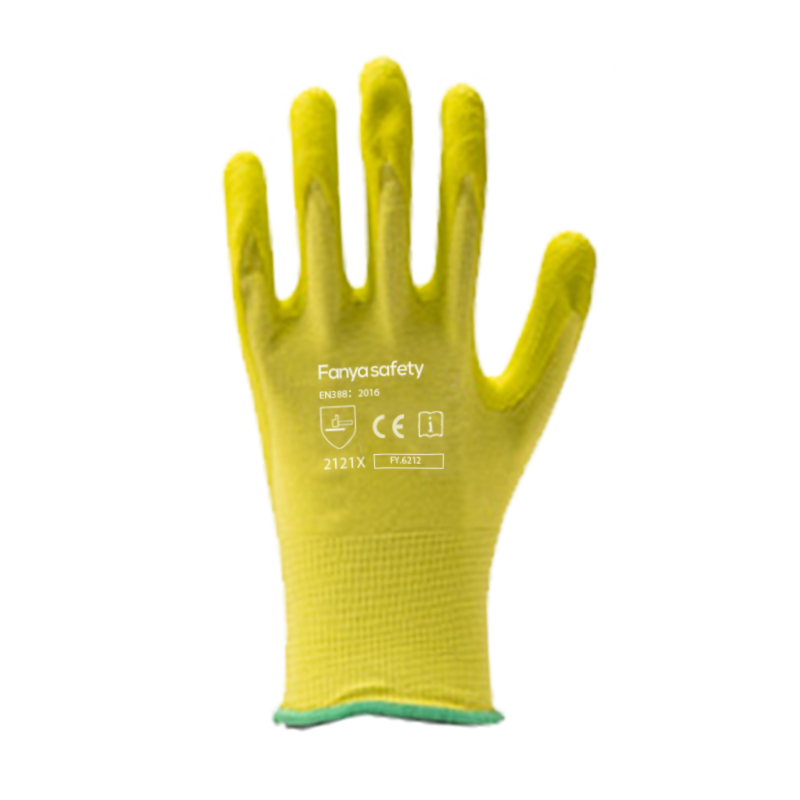
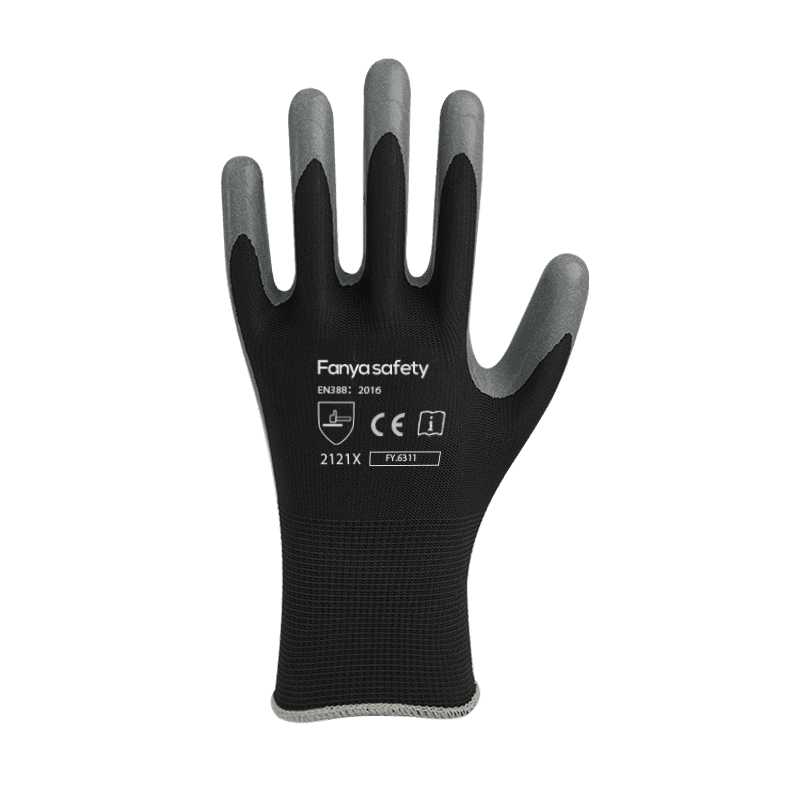
For precision tasks that still need solid cut protection, one of the most balanced configurations is an 18-gauge liner made from high-strength HPPE yarn with a thin polyurethane coating. The 18-gauge high-strength HPPE liner with PU coating gives a close fit and high tactile sensitivity, which matters when workers handle small components next to sharp edges.
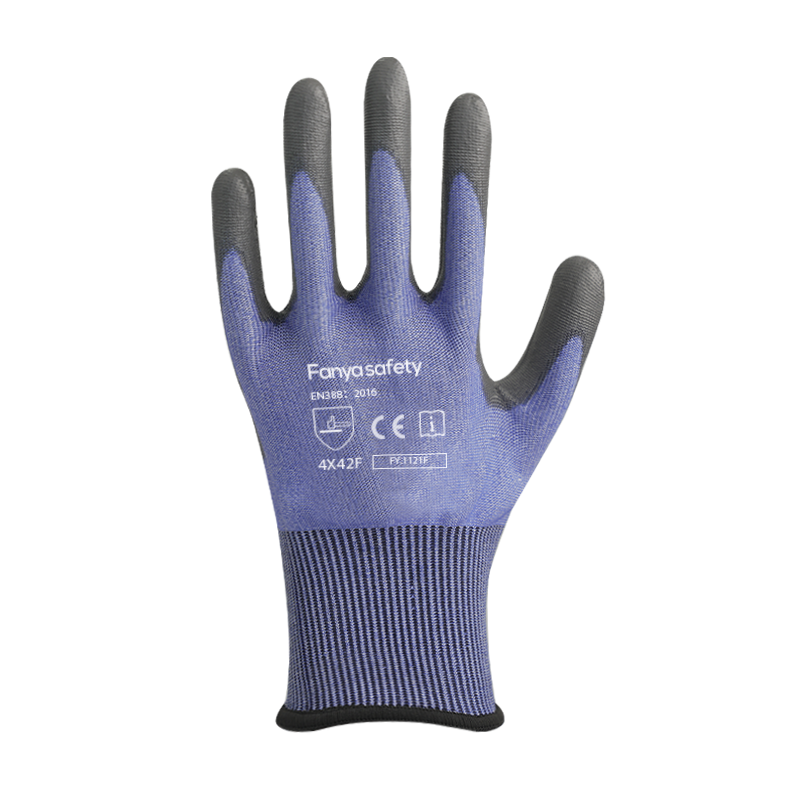 Custom 18G high strong HPPE fiber liner with PU coating Suppliers, Company - JiaJiangsu Fanya Labour Protective Products Co., Ltd is China custom 18G high strong HPPE fiber liner with PU coating suppliers and company....View Product →
The gauge number refers to the number of knitting needles per inch used to produce the liner. Higher numbers mean finer needles, a denser knit, and a thinner glove. Lower numbers mean a more open, thicker knit. Gauge selection is a direct trade-off between cut protection density and dexterity.
| Gauge | Knit Density | Dexterity | Best Fit |
|---|---|---|---|
| 13G | Open, breathable knit | Good; moderate fingertip feeling | Transport, construction, general material handling |
| 15G | Medium density | High; good balance of comfort and feel | Metal fabrication, glass handling, warehousing |
| 18G | Fine, dense knit | Very high; close to bare-hand touch | Electronic assembly, precision handling, small parts |
| 21G | Ultra-fine knit | Highest; almost no loss of sensitivity | Fine assembly, inspection, work with sharp small pieces |
A common mistake is assuming the highest gauge is always better. A 13G glove protects more surface area and ventilates better; an 18G or 21G glove protects better per square centimeter but feels tighter. If you are choosing between these, read our detailed guide to cut-resistant glove selection before finalizing your specification.
The liner provides cut protection; the coating provides grip, abrasion resistance, and protection from oil, water, and chemicals. The same HPPE liner can feel completely different depending on what is applied to the palm and fingers.
| Coating | Grip Profile | Best Environment | Trade-off |
|---|---|---|---|
| Polyurethane (PU) | Dry grip, high tactility | Assembly, inspection, handling dry parts | Less durable in oily or abrasive work |
| Foam nitrile | Excellent grip in light oil and water | Automotive, machining, oily parts | Slightly less precise feel than PU |
| Sandy nitrile | Firm grip on smooth or dusty surfaces | Construction, sheet metal, glass | Higher surface friction can reduce finger speed |
| Latex | Very strong wet and dry grip | Wet handling, heavy gripping tasks | May cause skin sensitivity for some users |
| PVC | Good grip on wet, slippery materials | Chemical and wet handling | Stiffer feel, less breathable |
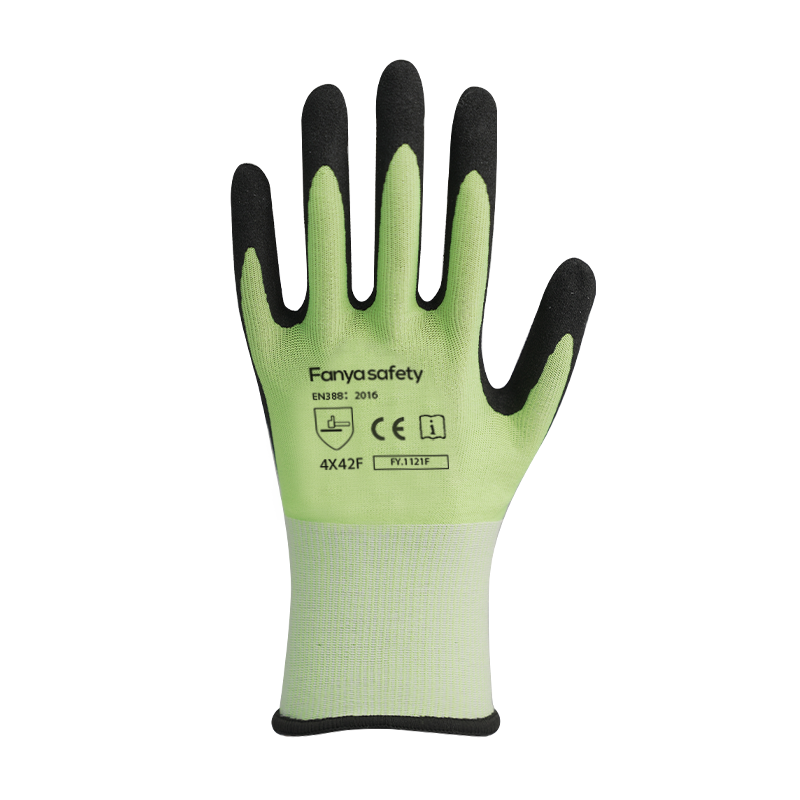
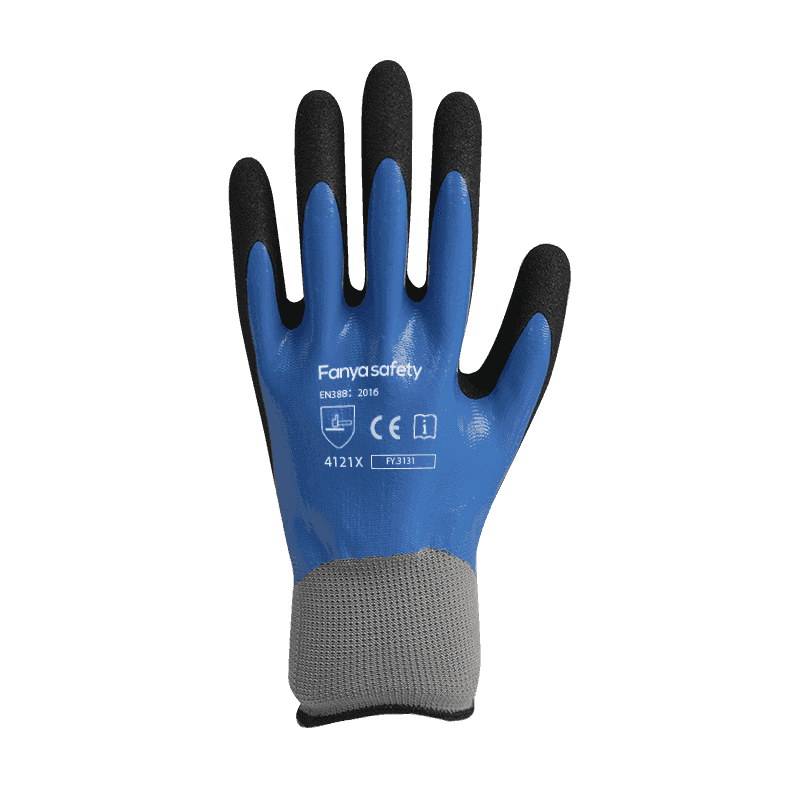
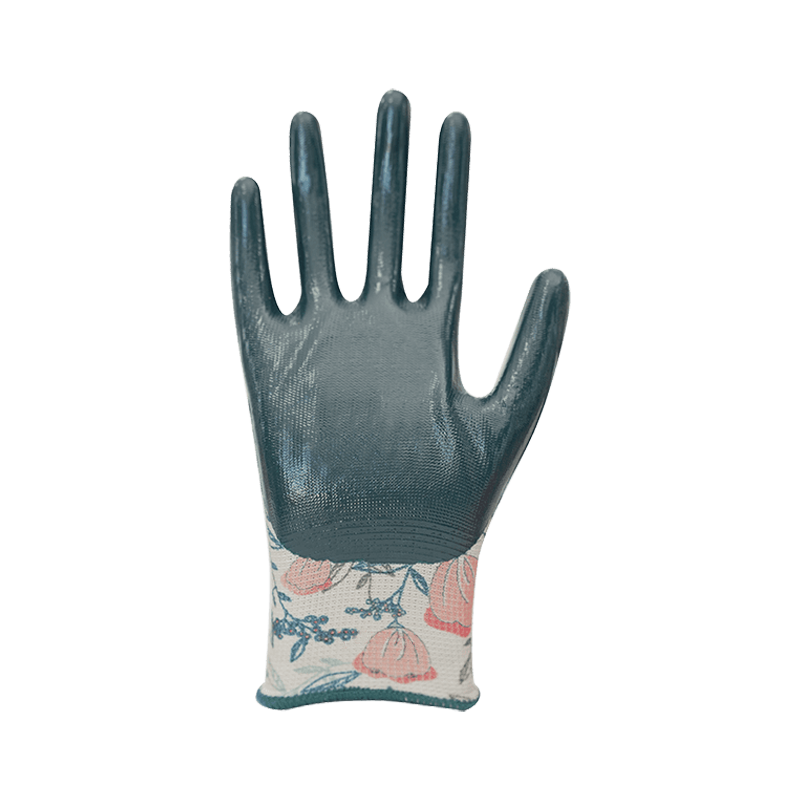
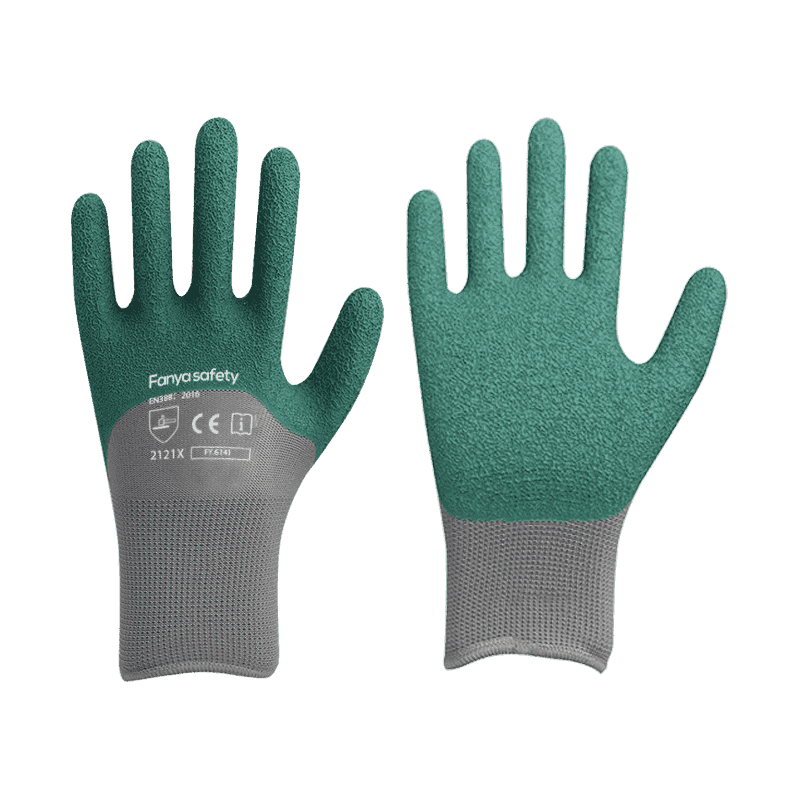
For dusty or dry but abrasive surfaces, a sandy finish is a popular upgrade because it keeps a consistent grip even when the glove is exposed to fine particles. The 18-gauge high-strength HPPE liner with sandy nitrile coating is designed exactly for that situation: it holds onto steel and glass surfaces while the dense HPPE knit resists cuts from sharp edges.
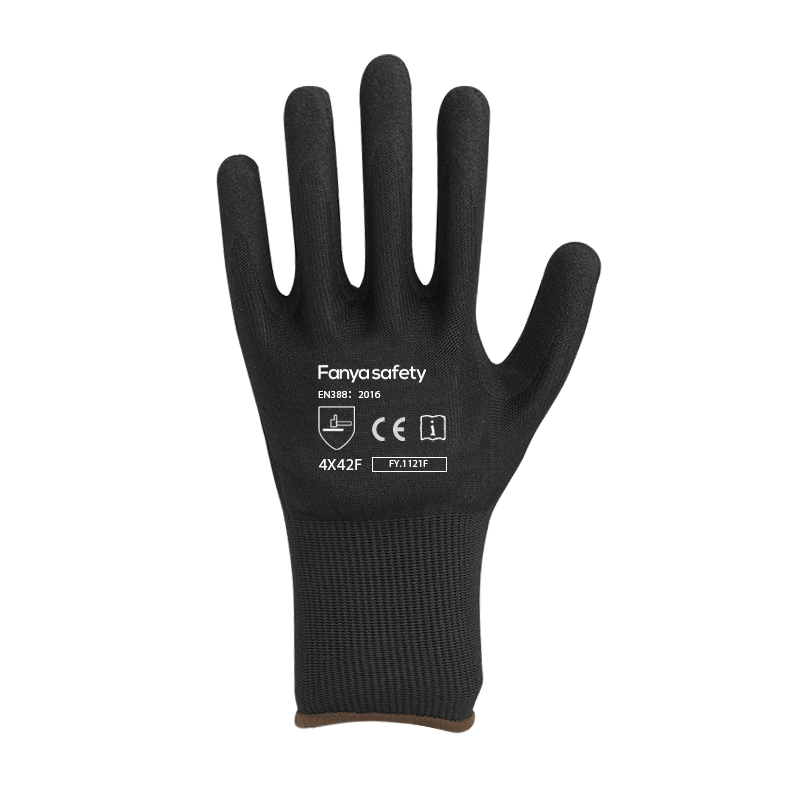 Custom 18G high strong HPPE fiber liner with sandy nitrile coating Suppliers, CoJiangsu Fanya Labour Protective Products Co., Ltd is China custom 18G high strong HPPE fiber liner with sandy nitrile coating suppliers a...View Product →
HPPE gloves are not a one-size-fits-all product. The right configuration depends on what the worker actually touches. The following scenarios reflect common industrial tasks and the liner-coating combinations that tend to perform best in each one.
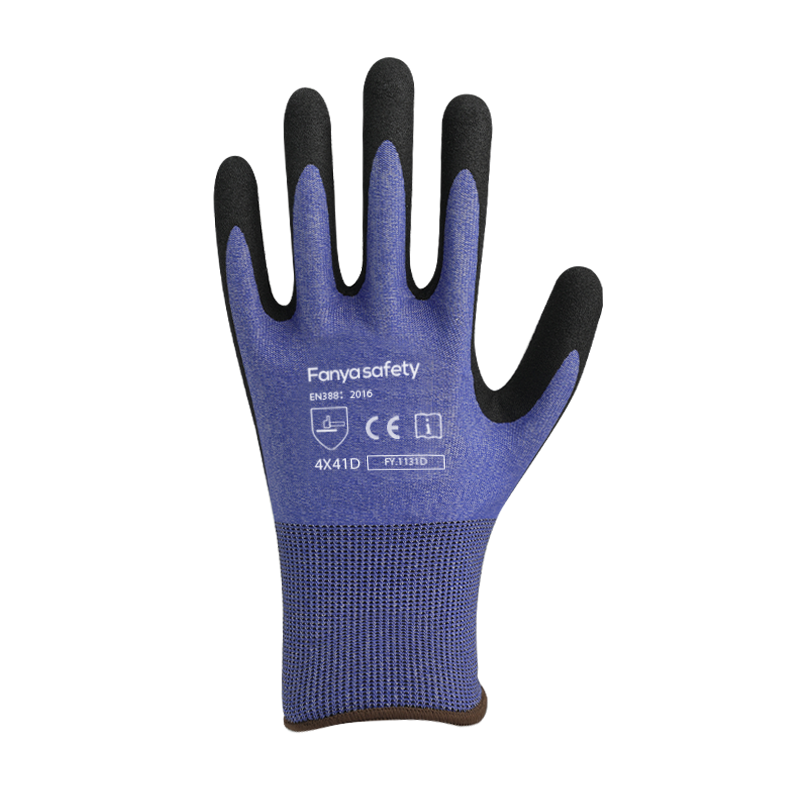 Custom 21G HPPE/steel fiber liner with sandy nitrile coating Suppliers, Company Jiangsu Fanya Labour Protective Products Co., Ltd is China custom 21G HPPE/steel fiber liner with sandy nitrile coating suppliers and com...View Product → is built for this type of work because the fine knit keeps sensitivity high enough to control the glass.
Procurement teams can reduce trial-and-error by following a structured process. Use the six steps below to translate a vague requirement, such as "we need cut-resistant gloves," into a concrete product specification.
If you want to compare specific models side by side, browse our full range of cut-resistant gloves to see how different gauges, fiber combinations, and coatings are assembled into finished products.
High performance polyethylene fibers are durable, but the lifespan of a finished glove still depends on washing, drying, and inspection habits. With proper care, a coated HPPE glove can deliver several months of regular use in a medium-risk workstation.
Not exactly. High performance polyethylene is the fiber used to make the liner; "cut-resistant" describes the finished glove's behavior. If a glove is labeled cut-resistant but uses a nylon or polyester liner, it usually contains glass, steel, or other reinforcement. An HPPE liner can deliver cut resistance on its own or be combined with those reinforcements for higher protection levels. When you see HPPE gloves, you are getting a proven synthetic base fiber, but you still need to check the gauge, fiber mix, and coating to know what the finished product can handle.
Yes. HPPE fibers are chemically stable and survive repeated washing well, which is a major advantage over leather and some coated cotton gloves. Wash them in cool or lukewarm water with a mild detergent, air dry them away from heat, and inspect them for damage before each reissue. Avoiding high heat and bleach is the key to extending their usable life.
The gauge number represents knitting needles per inch. A 13-gauge liner is more open, thicker, and better ventilated, which suits heavy handling and transport tasks. An 18-gauge liner is finer and denser, giving better cut protection per millimeter and a much more precise feel. Choose the gauge based on the task: heavier and dirtier work favors 13G; delicate and repetitive work favors 18G or 21G.
No. HPPE is a thermoplastic fiber that starts to soften above roughly 144°C, so these gloves are unsuitable for welding, molten metal, hot glass, or any task involving direct contact with hot surfaces above 100°C. For warm environments that do not involve direct heat contact, HPPE is comfortable because it is breathable and light. If heat is a real hazard, choose a glove made of aramid or other heat-resistant materials instead.
Nitrile, specifically foam nitrile, performs clearly better in oily conditions. The foam structure creates microscopic air pockets that allow oil to drain away from the contact surface, keeping the grip strong. A PU coating is smooth and works very well on dry surfaces, but it loses grip quickly once oil or water forms a film on the palm. For machining, automotive, or any oil-exposed task, choose foam nitrile over PU.
There is no universal answer because the working environment changes everything. In light assembly with occasional edge contact, a good HPPE glove with PU coating can last several weeks of daily use. In abrasive environments such as recycling or metal stamping, the same liner may last only days. The most reliable approach is to track replacement frequency per workstation and compare the cost per usable hour across different models.
How to Choose Kitchen Gloves: Latex, Nitrile, PU and Cut-Resistant Options for Every Task
Glove Colors Guide: Meanings, Selection Tips and Custom Options for Work Gloves
Your email address will not be published. Required fields are marked *
You can contact to me using this form.