
 中文简体
中文简体
Product Consultation
Your email address will not be published. Required fields are marked *
Content
Imagine a food processing plant where the same team moves from raw fish to finished packaging. If all workers wear the same gray glove, no one can tell at a glance who has touched raw product. Switch to colored nitrile gloves and the workflow becomes visible: blue for raw handling, green for finished packaging.
Color is a practical safety feature, not a cosmetic afterthought. It supports communication, reduces cross-contamination risk, and helps plant supervisors identify tasks without walking to every bench. But before choosing a shade, it is useful to understand what colored nitrile gloves actually are.
The term colored nitrile gloves covers two very different product families. The first is the disposable nitrile glove used in medical, laboratory, and cleaning work. These gloves are thin, single-use, and colored by adding pigment directly to the nitrile polymer before forming. They are valued for tight fit, tactile sensitivity, and fast changeover.
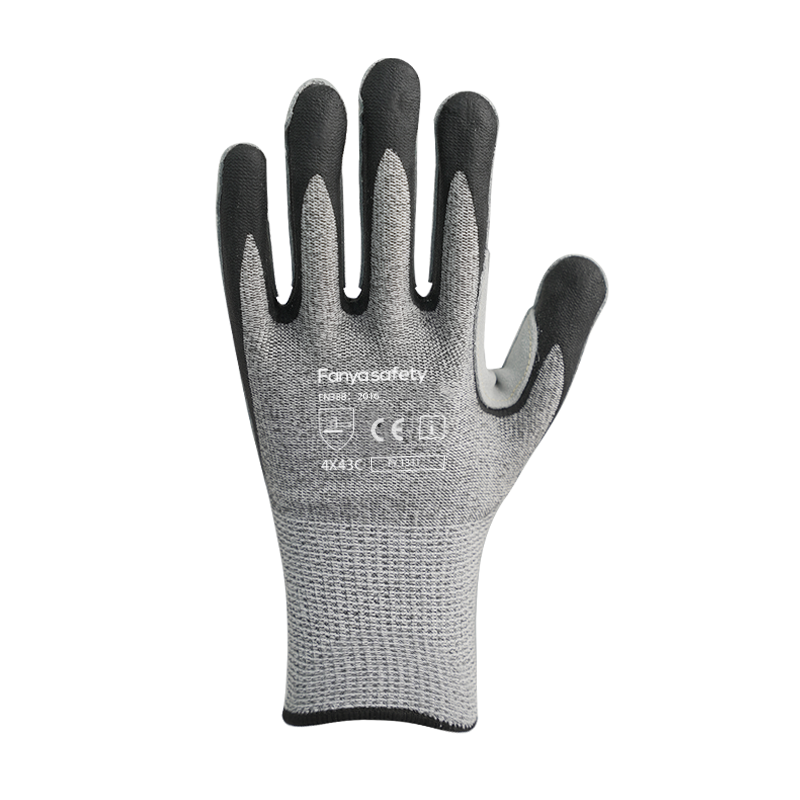
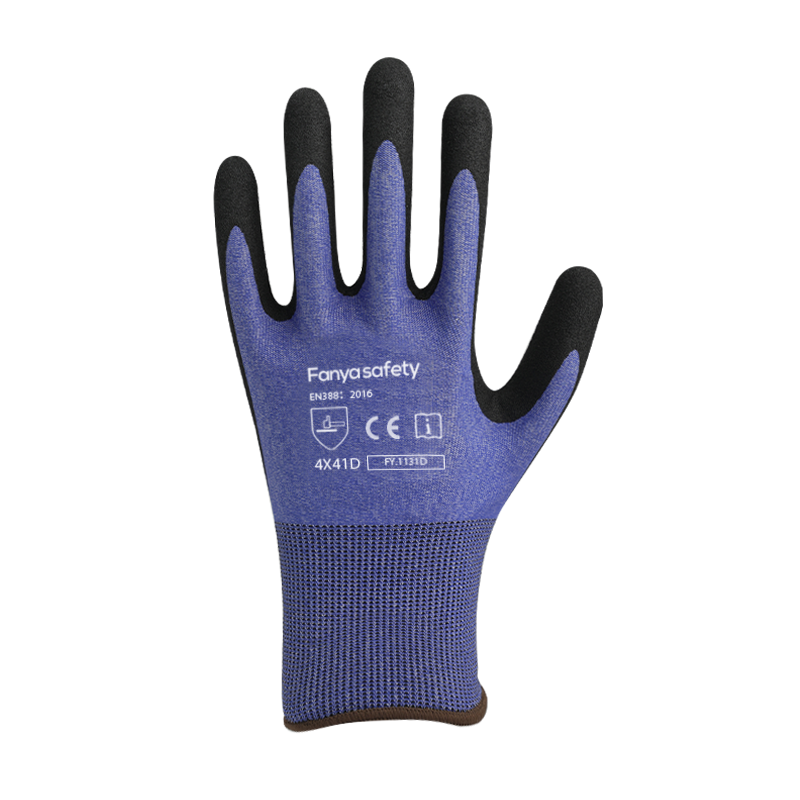
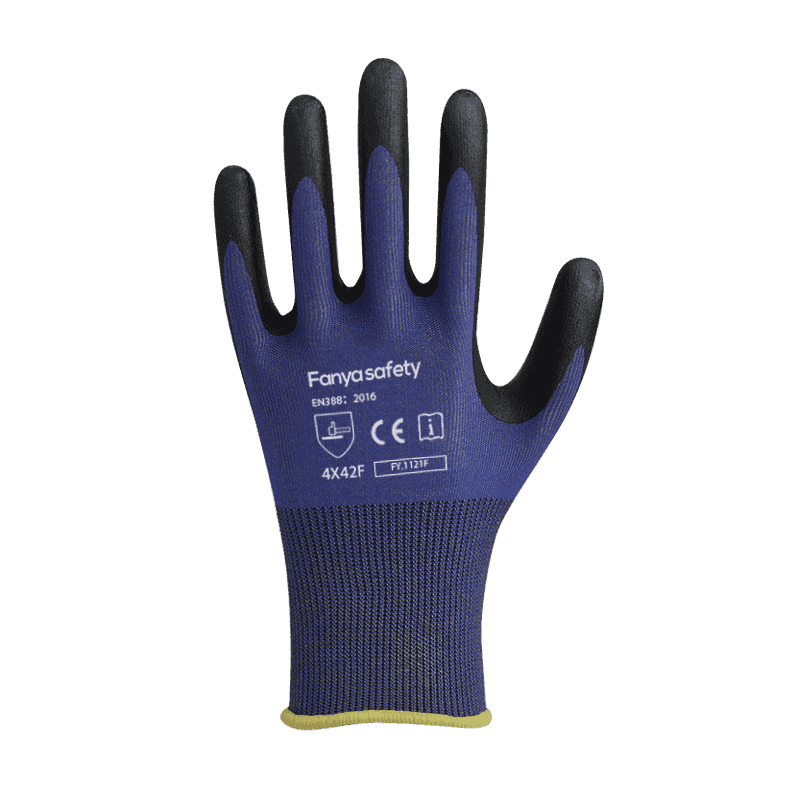
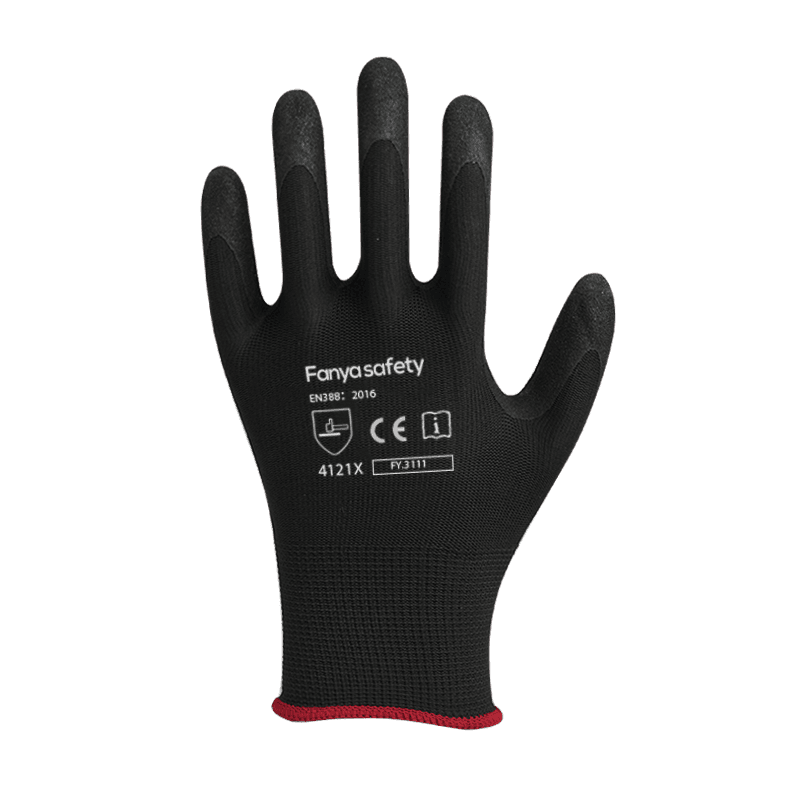
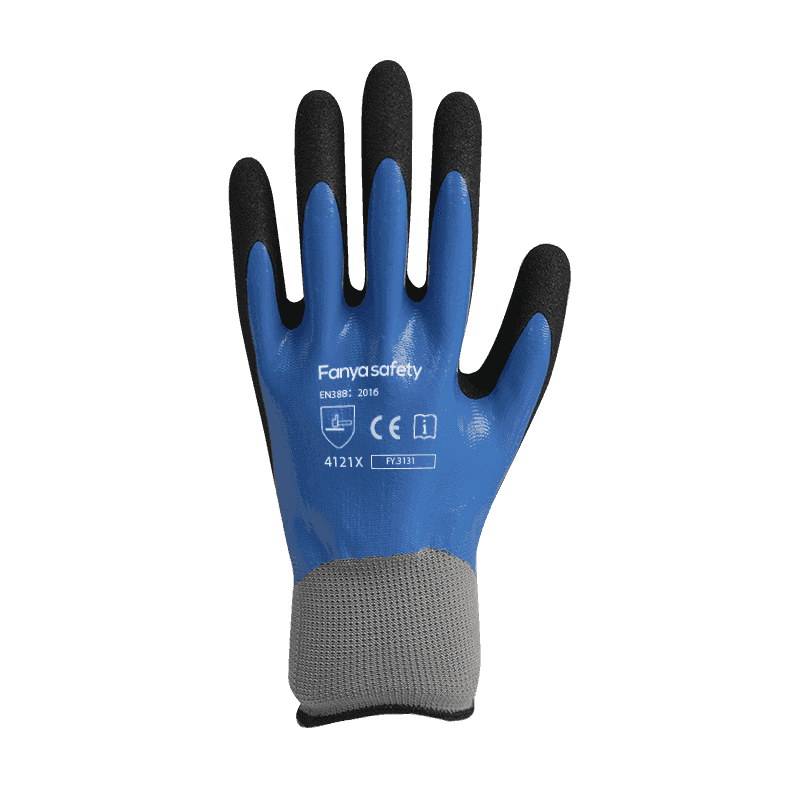
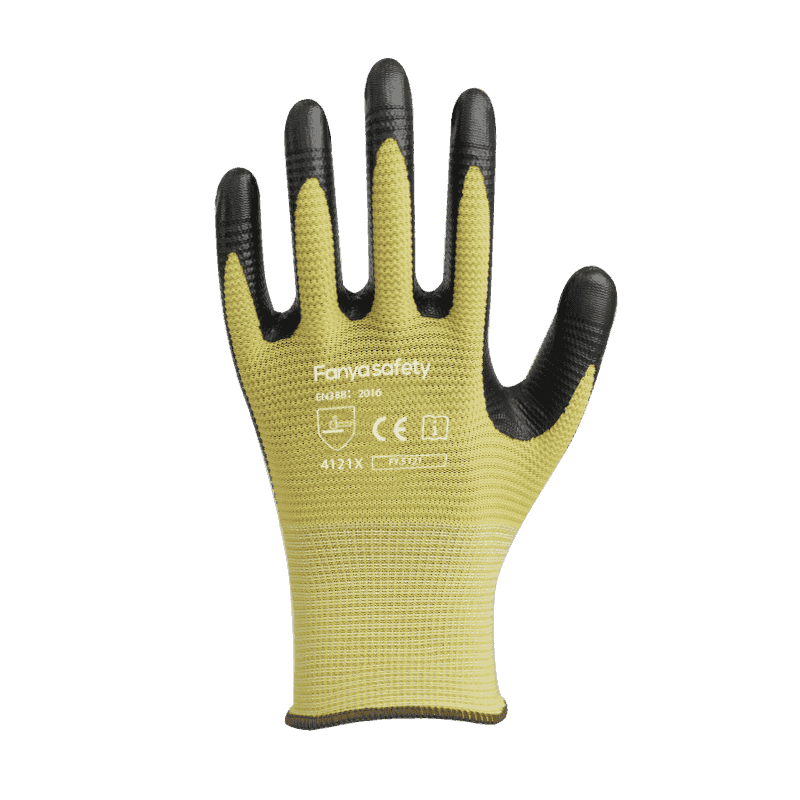
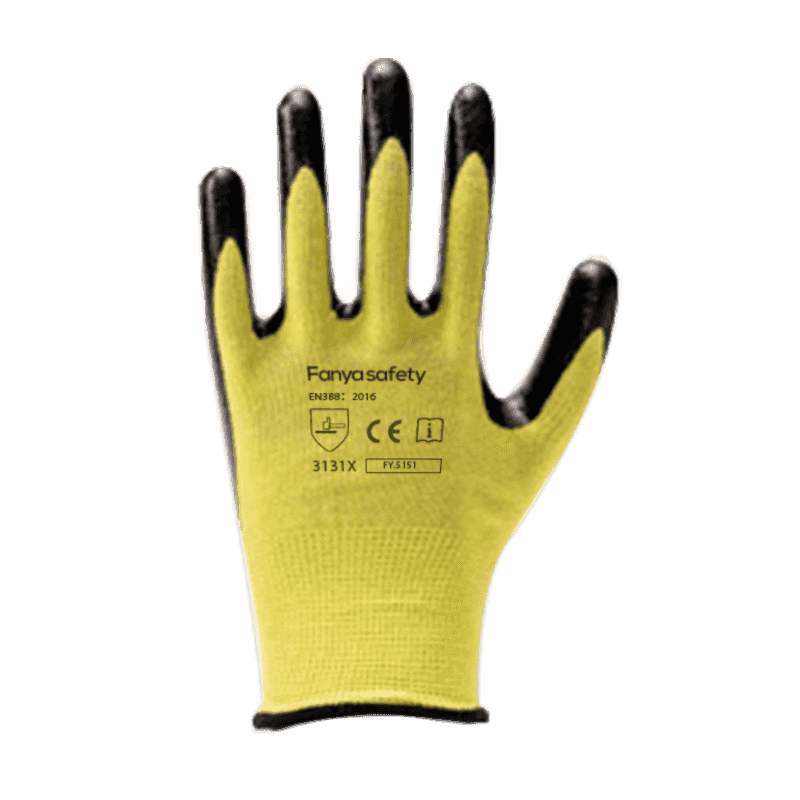
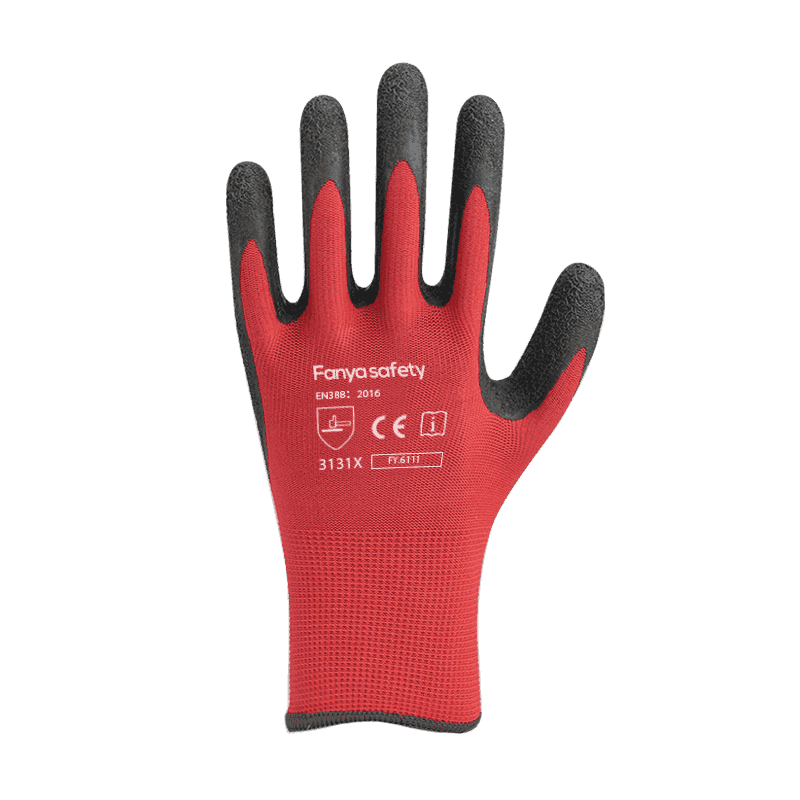
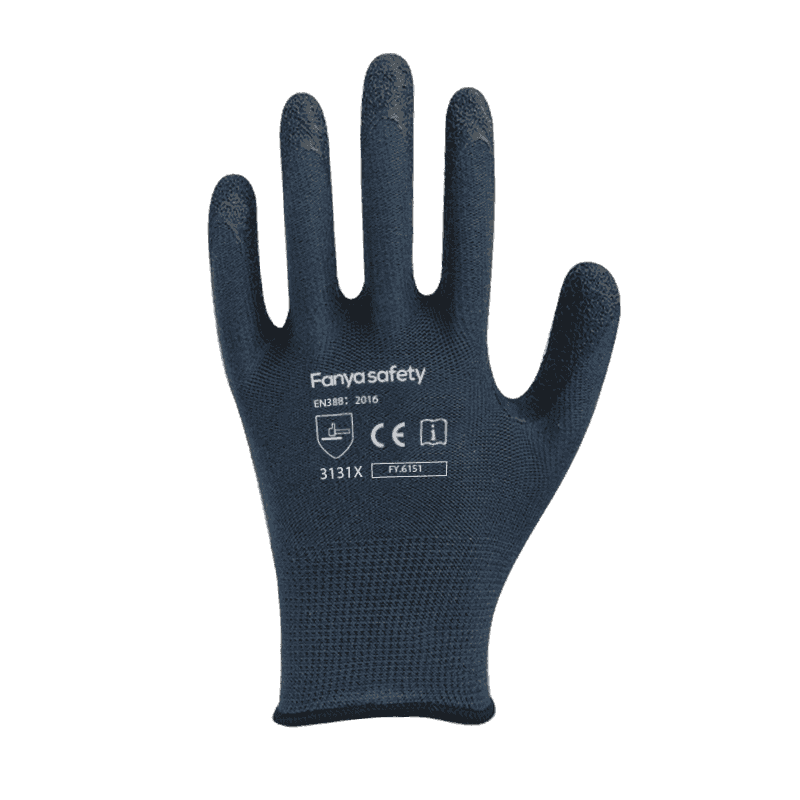
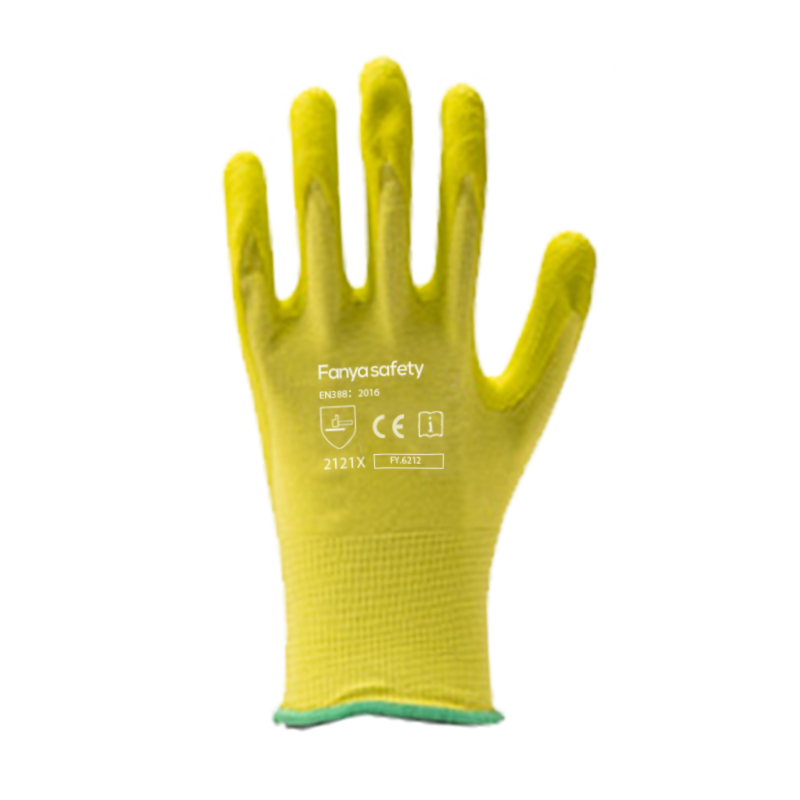
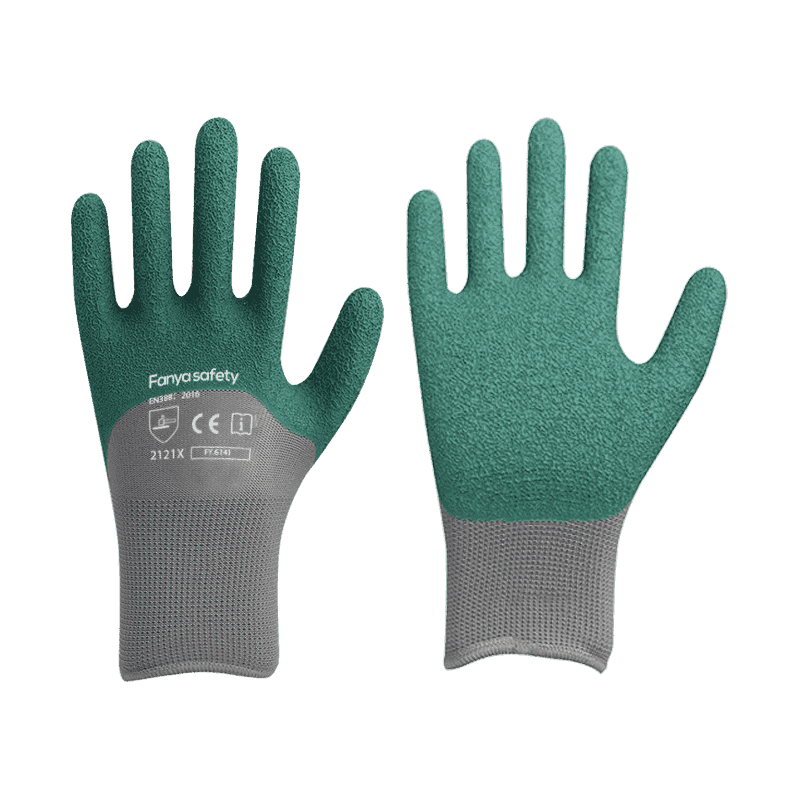
The second family is the reusable nitrile-coated work glove. Here a knit liner, usually made of polyester, nylon, bamboo, or a blend, is dipped into liquid nitrile. The coating bonds to the palm or the full hand, giving the glove more tear resistance, better grip, and longer wear. Color can come from the yarn used in the liner, from the coating itself, or from both. For example, a colored polyester liner paired with a nitrile coating is a common way to create a colored work glove that still performs like a durable hand-protection tool.
Many buyers search for colored nitrile gloves when they mean disposable exam gloves, but industrial purchasers often need the coated version because it lasts through repeated handling tasks. The difference matters. A disposable glove is built for one short task; a coated work glove is built for a full shift. For a closer look at how the coating changes grip and durability, read our overview of nitrile coated gloves.
Color solves a communication problem. In a busy workshop, you cannot read a label on every worker’s hand, but you can see a color from across the room. That allows teams to use colored nitrile gloves as a visual control that supports the overall workflow.
Color does not replace written procedures, but it adds a second layer of information that is readable at a distance. That is why color is increasingly treated as part of the safety system, not just a purchase preference.
The table below summarizes common color associations for disposable and coated glove styles. These are not rigid standards, but they reflect patterns seen in real workplaces.
| Color | Typical Settings | Main Advantage |
|---|---|---|
| Blue | Food handling, medical exams, general inspection | Clean, recognizable, and easy for other staff to identify |
| Green | Food processing, housekeeping, packaging lines | Works well in color-coded zones and shows contamination quickly |
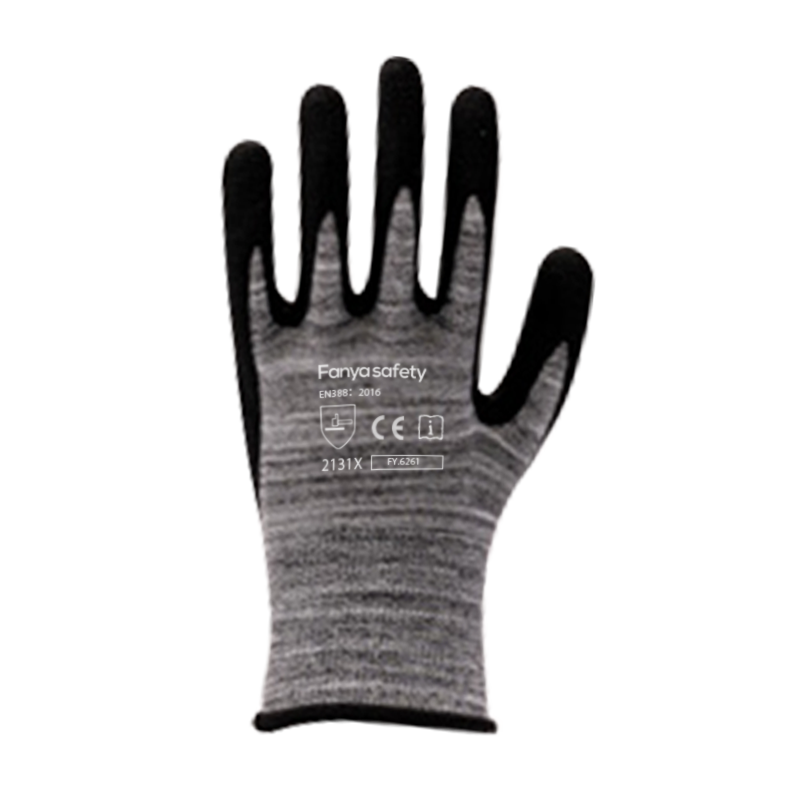
| Black | Automotive repair, waste handling, mechanical work | Hides oil and grease, looks professional, minimizes frequent washing |
| Orange | Construction, traffic control, high-risk areas | High visibility at a distance and in low light |
| Purple | Laboratories, special handling, precision work | Signals a dedicated task or area and stands out against white surfaces |
| Pink | Housekeeping, patient care, awareness programs | Instantly distinct from standard blue and green gloves |
| White or Gray | Cleanrooms, electronics assembly, optical inspection | Light color reveals contamination and fiber debris |
If your workplace already has a color-coding policy, check the policy before ordering. If it does not, the table above is a reasonable starting point for building one.
A color-coding system fails when colors are chosen randomly. Start with the process, not the palette. The most effective approach follows a simple sequence:
Color creates a visible reminder, but it must be supported by written procedure and team discipline. The glove itself is only one part of the system.
No. The color of a nitrile glove does not change its protection or mechanical performance. A blue glove and a black glove made with the same liner, same coating thickness, and same coating pattern will perform the same in abrasion and puncture tests. Color is a visual cue, not a performance grade.
For disposable gloves, pigment is dispersed into the nitrile compound before the glove is formed. As long as the film thickness remains equal, color is neutral. For coated work gloves, the liner supplies cut and abrasion resistance, while the nitrile coating supplies grip, oil resistance, and some protection from liquids. Dye on the yarn does not change the tensile strength of the coating.
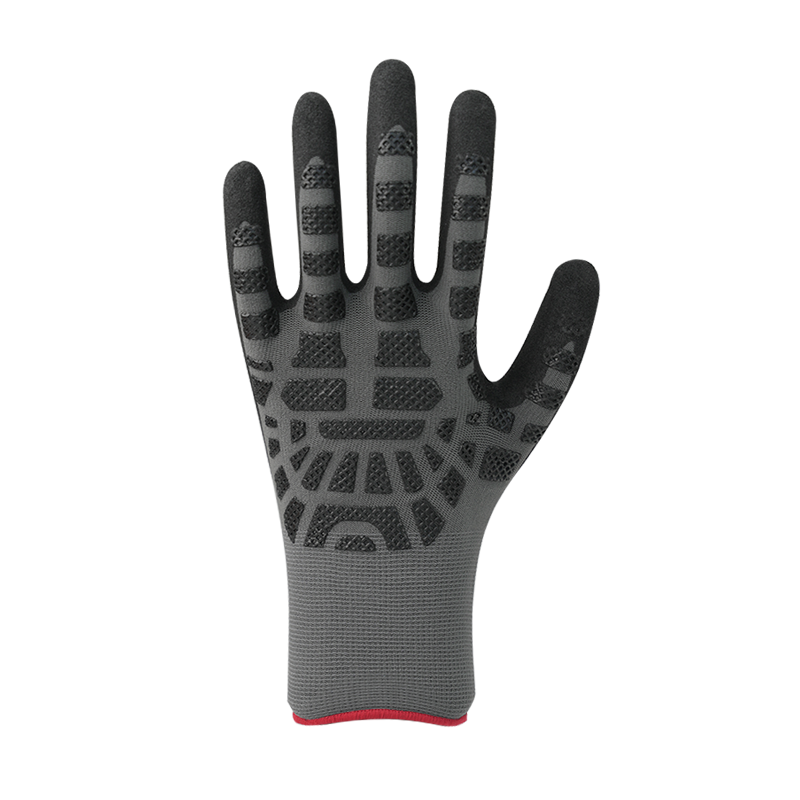
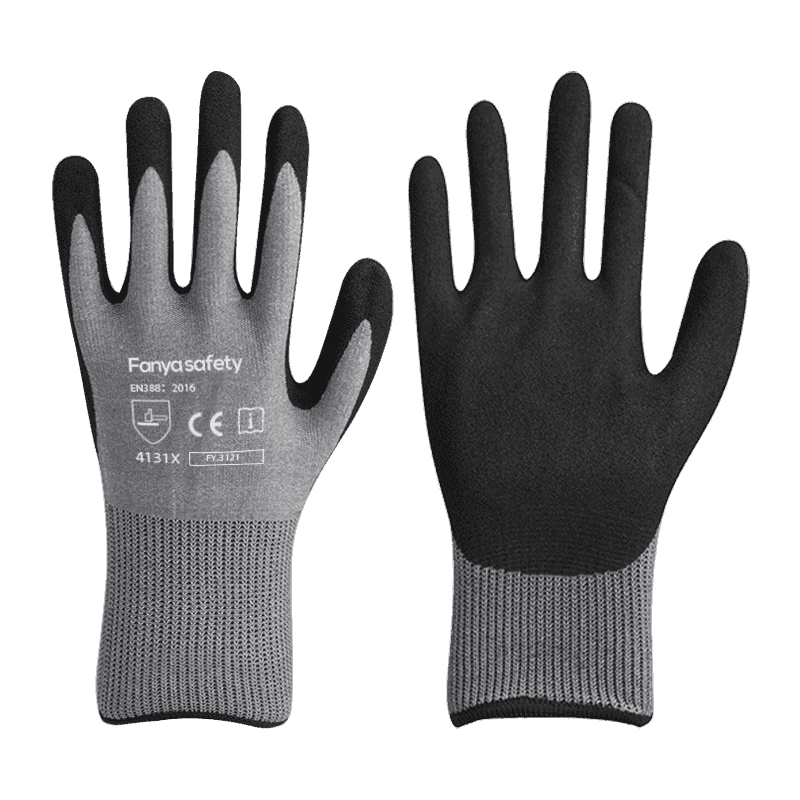
What really matters is the structure. Glove liners are often labeled 13-gauge, 15-gauge, or 18-gauge; higher gauge numbers mean a finer, denser knit. Coating coverage also changes the feel: palm coating keeps the back of the hand breathable, while full dipping gives more liquid protection but less ventilation. Surface texture matters too. If you are handling oily parts, a glove with a sandy nitrile coating adds extra traction without making the palm stiff. That texture, not the liner color, is what reduces dropped parts.
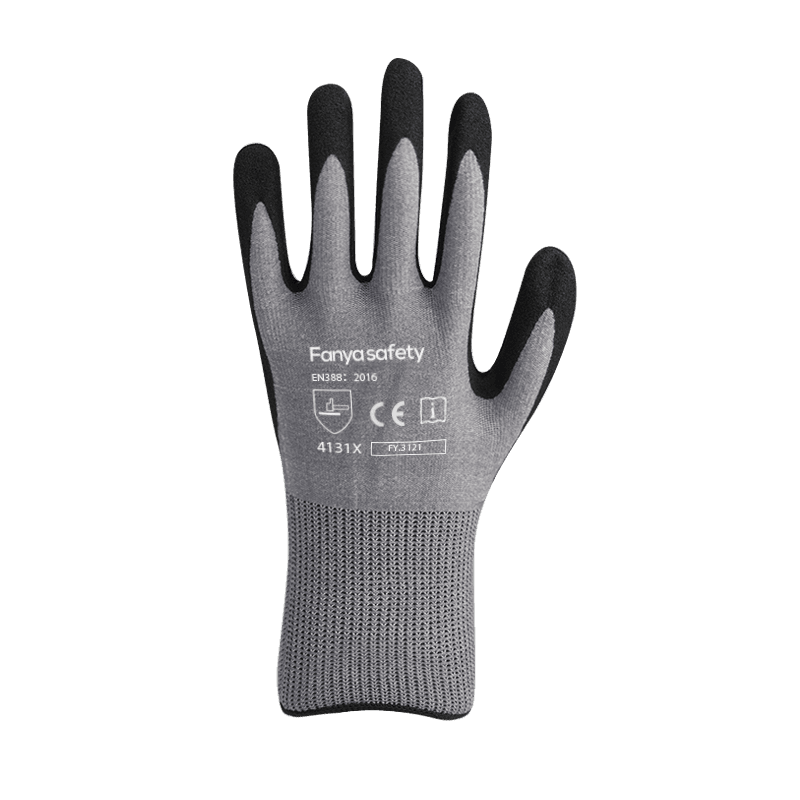 15-Gauge Nylon Spandex Glove with Sandy Nitrile CoatingThis glove pairs a fine 15-gauge liner with a sandy nitrile surface, providing good oil repellency and anti-slip grip for general maintenance and oily part handling.View Product →
When comparing colored nitrile gloves, ask for the liner material, gauge, coating coverage, and coating finish. Those details tell you far more than the color list.
The best sequence is to select the liner and coating for the task first, then choose a color that fits your workplace system. Starting with color alone can lead to bad grip, poor dexterity, or faster wear.
Coating coverage is another decisive factor. The table below shows the usual trade-offs.
| Coverage | Best For | Trade-off |
|---|---|---|
| Palm coating | Inspection, assembly, packaging | Good dexterity and airflow, less splash protection |
| 3/4 dip coating | Warehouse, mechanical work, general handling | Balances grip with knuckle protection |
| Full dip coating | Oily, wet, or dirty environments | More liquid resistance, less ventilation |
A colored polyester liner with nitrile coating is a versatile baseline for assembly, inspection, and general handling. It gives you a clear color signal without sacrificing the durability that industrial work requires.
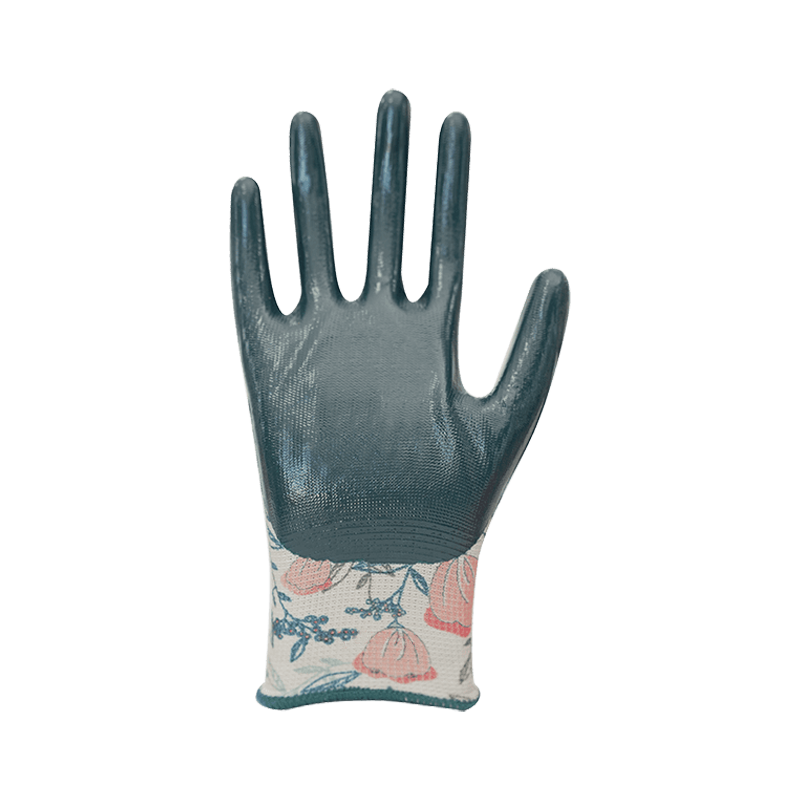
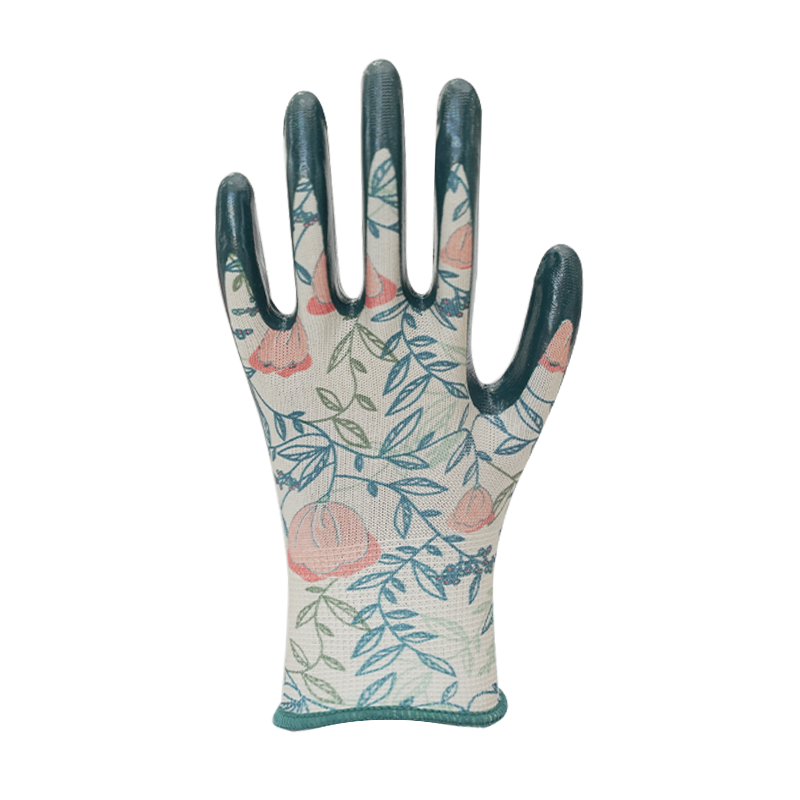 13-Gauge Polyester Colored Glove with Smooth Nitrile CoatingA colored polyester liner with smooth nitrile coating offers abrasion and slip resistance, making it a durable baseline for assembly, inspection, and general handling tasks.View Product →
Buying colored work gloves is not like buying colored t-shirts. You need consistent dye, controlled coating thickness, and enough production capacity to fill repeat orders. Here are the practical points that separate a useful glove from a frustrating one.
A simple 13-gauge polyester liner with nitrile coating is a good starting point for assembly, inspection, and general handling. Once your team is comfortable with the base model, you can test color-coded liners for specific zones.
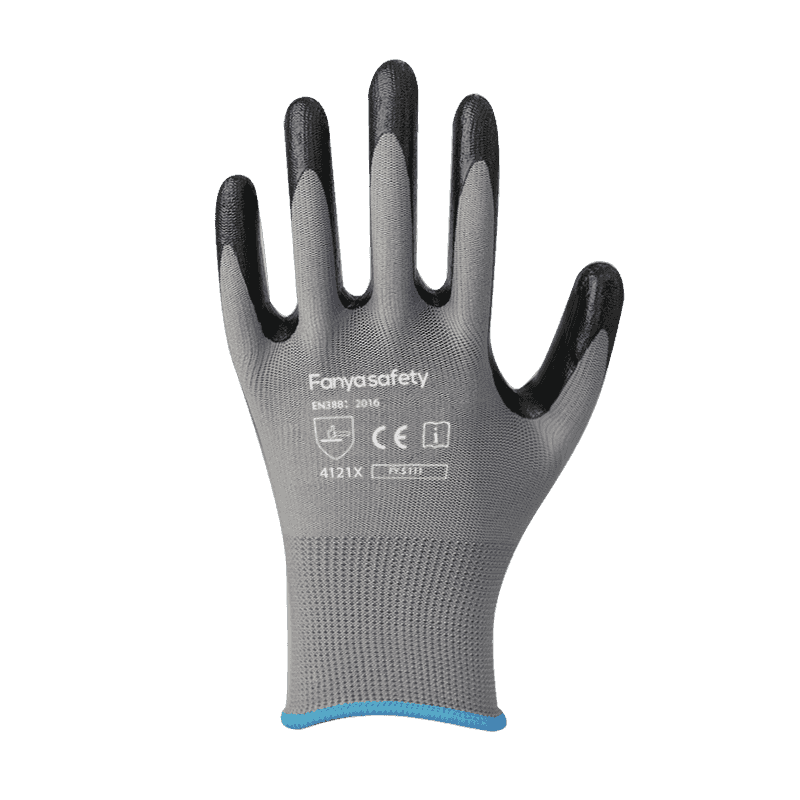 13-Gauge Polyester Ribbed Glove with Smooth Nitrile CoatingThis comfortable ribbed polyester liner features a smooth nitrile coating for abrasion and slip resistance, ideal for assembly, inspection, and general handling as a base model.View Product →
Before placing a large order, request samples in the actual colors you want to use. Check whether the color fades after washing, whether the nitrile coating stays even, and whether the sizing matches your workers’ needs.
No. Color is added with pigments that do not change the nitrile polymer or the liner structure. Protection is determined by film thickness, liner gauge, coating coverage, and surface finish.
Blue is the most recognized color for disposable nitrile gloves, especially in medical and food settings. In industrial coated gloves, black, gray, green, and orange are common because of stain-hiding or visibility benefits.
Yes. Many manufacturers can dye the knit liner in custom colors or match a specific color reference. Confirm minimum order quantities, lead time, and wash-fastness before committing to a large volume.
Quality dyestuff and proper processing limit fading. Solution-dyed liners hold color better than surface-dyed yarn. For repeated industrial laundering, ask the supplier for a wash-test sample.
Disposable gloves are better for direct contact with food when gloves must be changed frequently. Nitrile-coated work gloves are better for handling crates, equipment, and boxes because they last longer and protect against abrasion. Most food facilities need both.
Color is a communication tool, not a substitute for good materials. Start with the right liner and nitrile coating for the task, then choose a color that makes your team’s workflow safer and easier to manage. With both criteria in place, colored nitrile gloves can reduce confusion, improve task separation, and help you build a more organized workplace.
No previous article
Are Vinyl Gloves Safe? Barrier Strength, Food Use Risks, and When to Choose Otherwise
Your email address will not be published. Required fields are marked *
You can contact to me using this form.