
 中文简体
中文简体
Product Consultation
Your email address will not be published. Required fields are marked *
Content
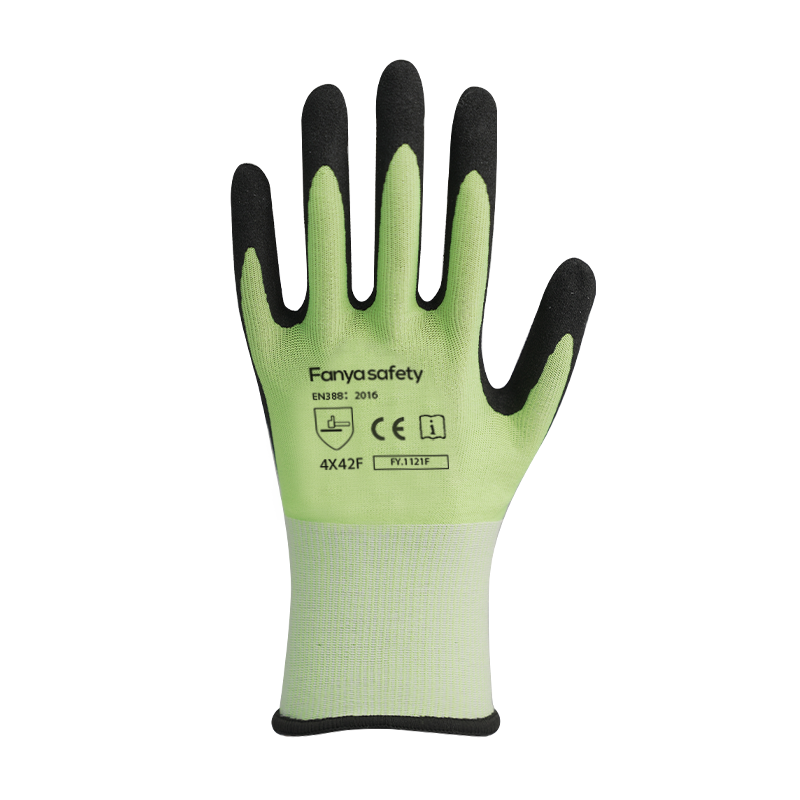
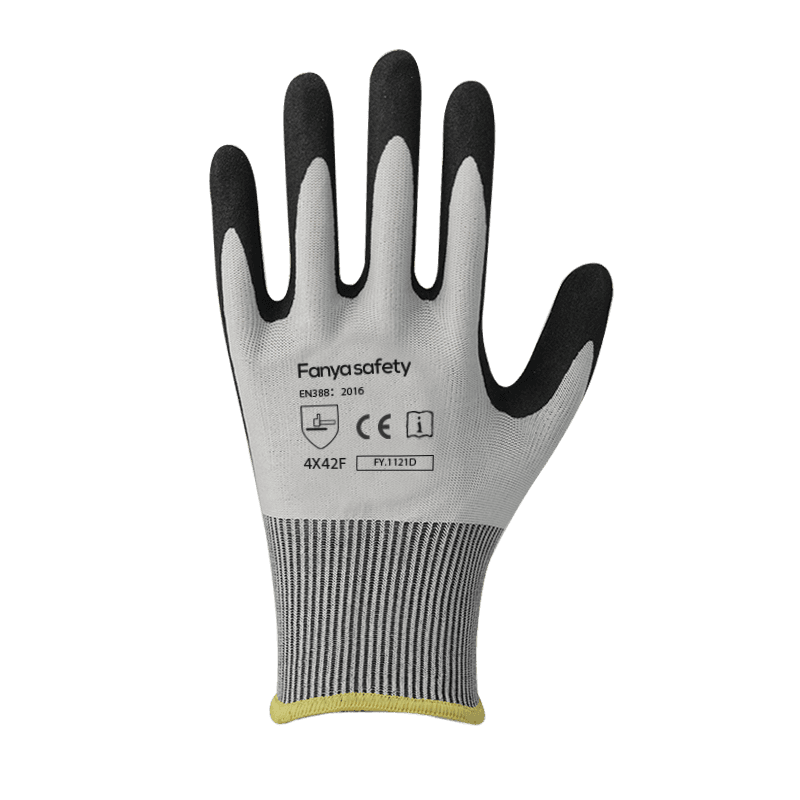
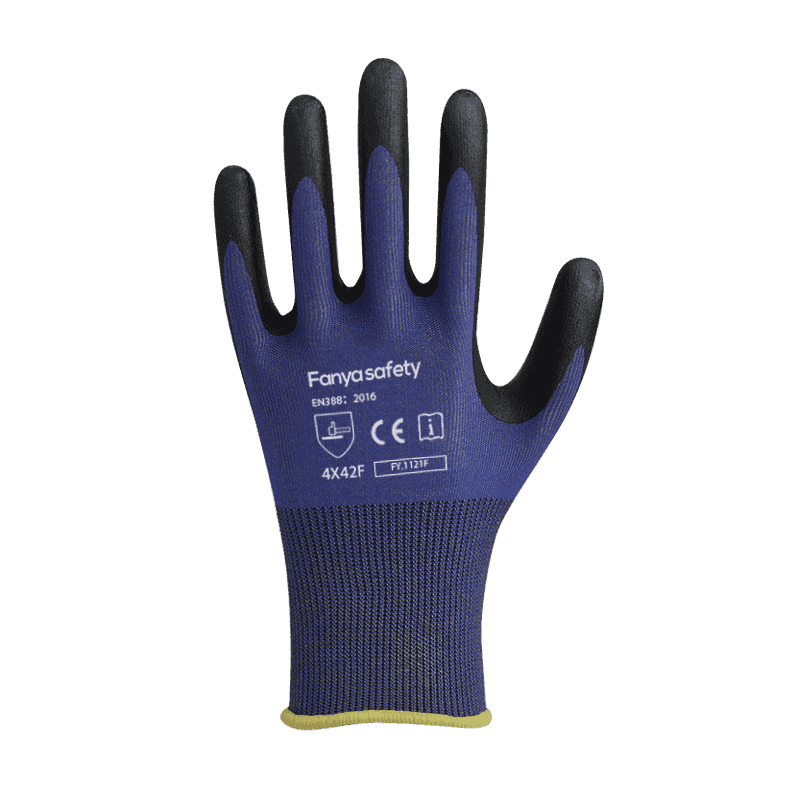
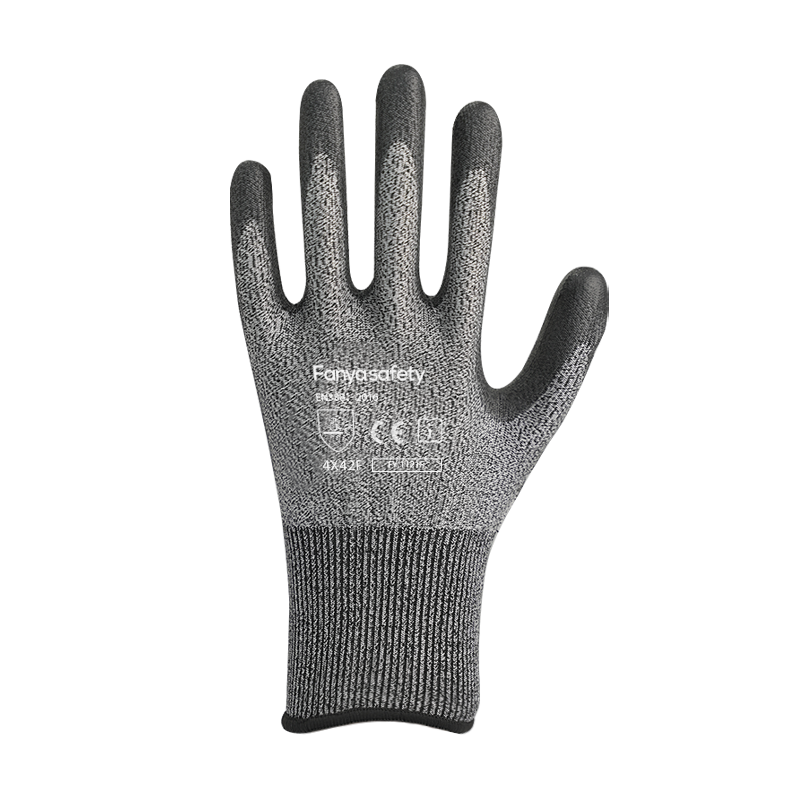
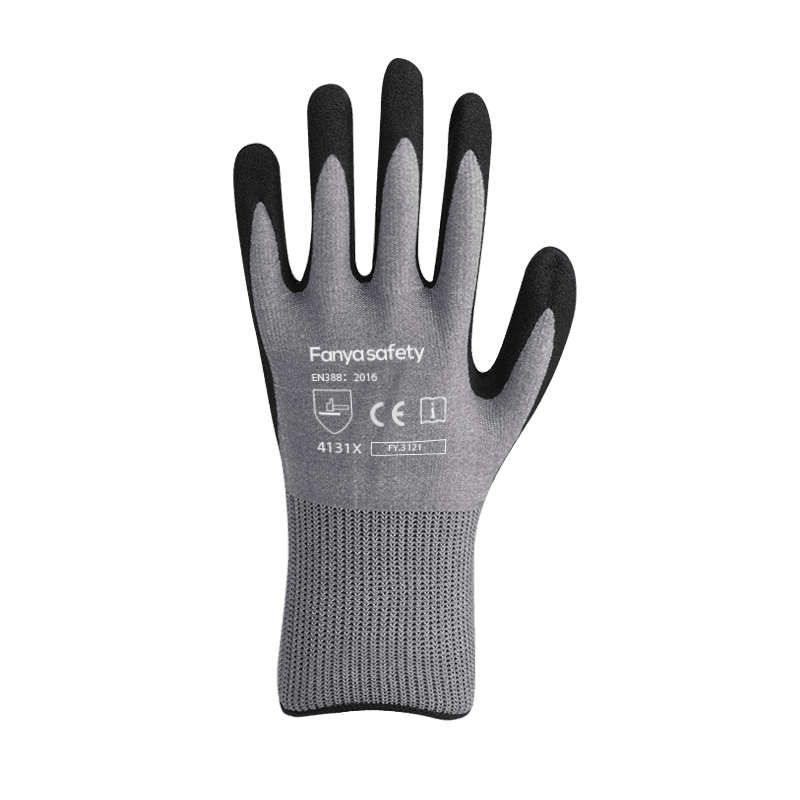
Nylon and polyurethane gloves are the most practical choice for precision handling and light-to-medium assembly work, and the main reason is the combination of a stretchy nylon liner with a thin, dry-grip polyurethane coating. A worker who needs to feel a bolt thread, grip a dry metal panel, or handle sensitive electronics for eight hours gets better dexterity and lower hand fatigue from this pairing than from latex or PVC gloves. This guide explains how the two materials work, what specifications actually matter, and how to avoid ordering the wrong batch.
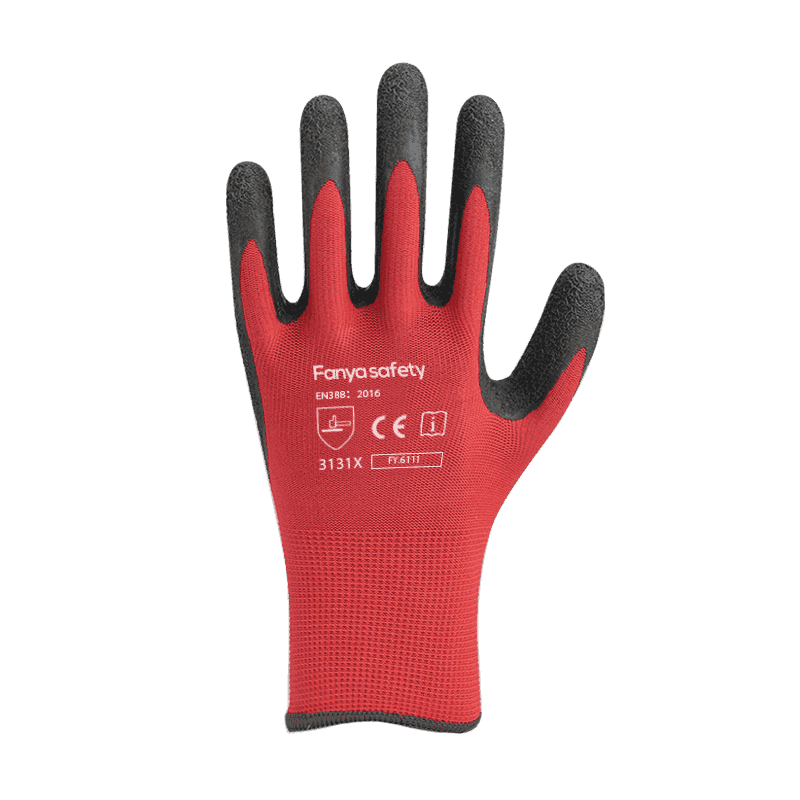
Every coated work glove has a liner fabric on the inside and a polymer coating on the outside. In a "nylon and polyurethane" glove, the liner is made of nylon and the coating is made of polyurethane (PU). These are two different materials that do two different jobs. The nylon liner is the part that touches your skin. It is soft, elastic, and breathable. The PU coating is the layer that contacts the object you are handling. It is thin, flexible, and provides friction so that items do not slip out of your hand.
The key fact to understand is that the liner determines the fit and comfort, while the coating determines the grip and protection. Many buyers focus only on one side of the equation. A cheap liner with a thick coating produces a glove that feels stiff and hot. A high-quality nylon liner with a correctly applied thin PU coating produces a glove that feels like a surgical glove but still protects your palm from scrapes and dust. The quality of the nylon shell is just as important as the PU layer, and the safest way to evaluate this is to look at the gauge and the coating coverage.
If you are new to the general topic of hand protection, read our full article on what are work gloves. It covers the differences between liner materials and coating types in more detail.
Nylon is a synthetic polyamide fibre that stretches and recovers well, which makes it a better liner for work gloves than cotton or polyester for most handling tasks. It absorbs sweat and moves it away from the palm during a long shift. It is also surprisingly strong for its weight.
Blended nylon and spandex liners, such as a 15G nylon/spandex mix, provide an even higher level of stretch. This makes the glove feel custom-fitted even for workers with wider hands. A good manufacturer offers different gauge options and different liner materials so that buyers can match the glove to the exact task.
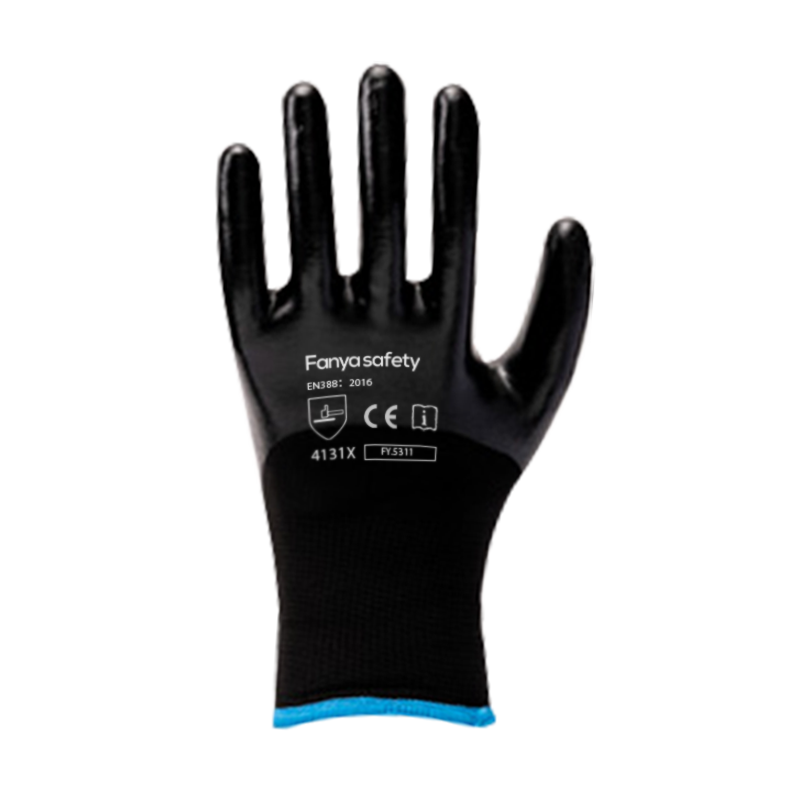
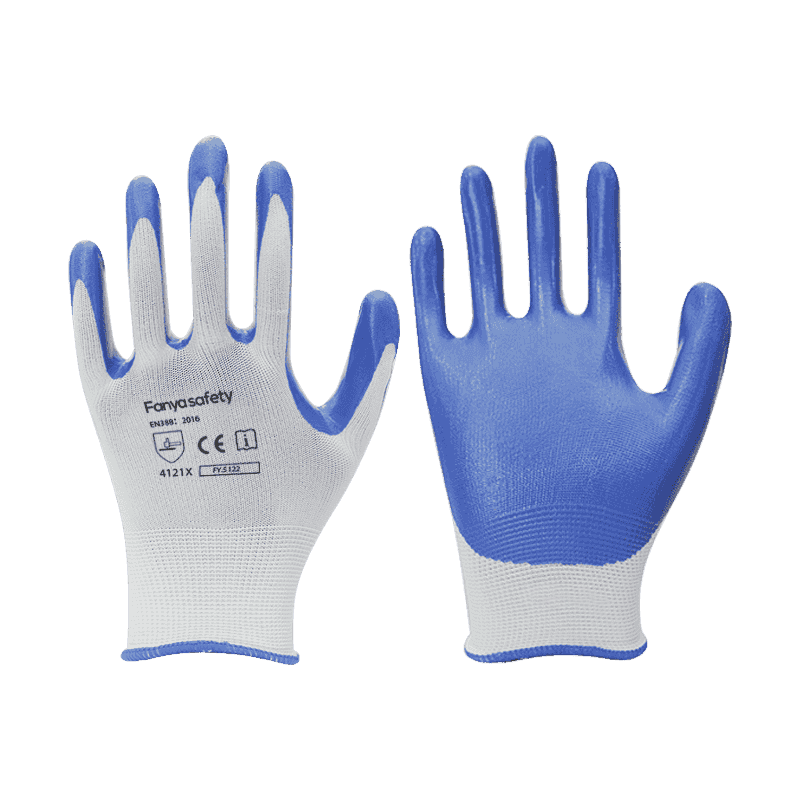
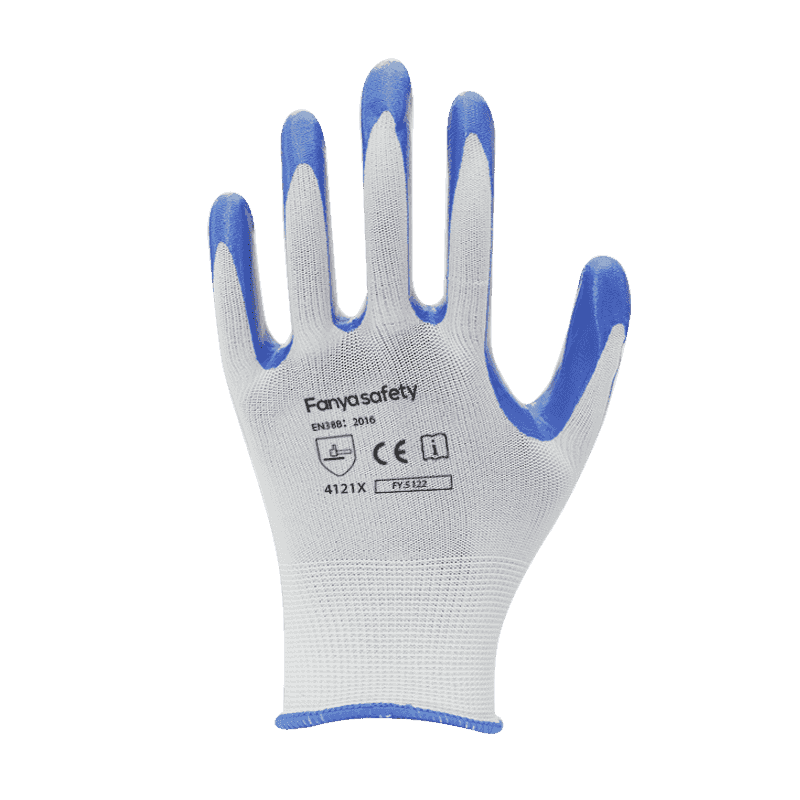 13G Nylon Liner Work Gloves with Smooth Nitrile CoatingThese gloves use a 13-gauge high-elastic nylon liner for a snug fit and excellent touch, while the smooth nitrile coating provides good abrasion and slip resistance for general maintenance tasks.View Product →
A polyurethane coating is a thin polymer film that bonds to the nylon liner. Its main functions are to provide grip, resist abrasion, and prevent light oil or dust from reaching the skin.
The coverage of the PU coating changes the performance of the glove. A palm-dipped glove leaves the back of the hand open for breathability. A 3/4-dipped glove covers the back but is still flexible. A full-dipped glove gives maximum protection but reduces the sense of touch. For most internal handling tasks, a palm coating is the right choice because it preserves dexterity and comfort.
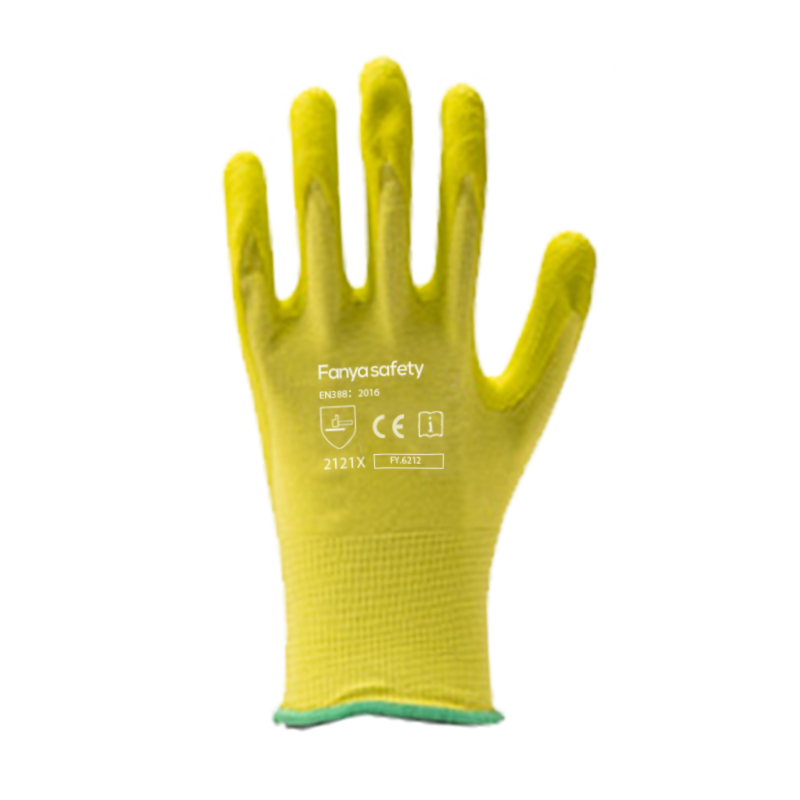
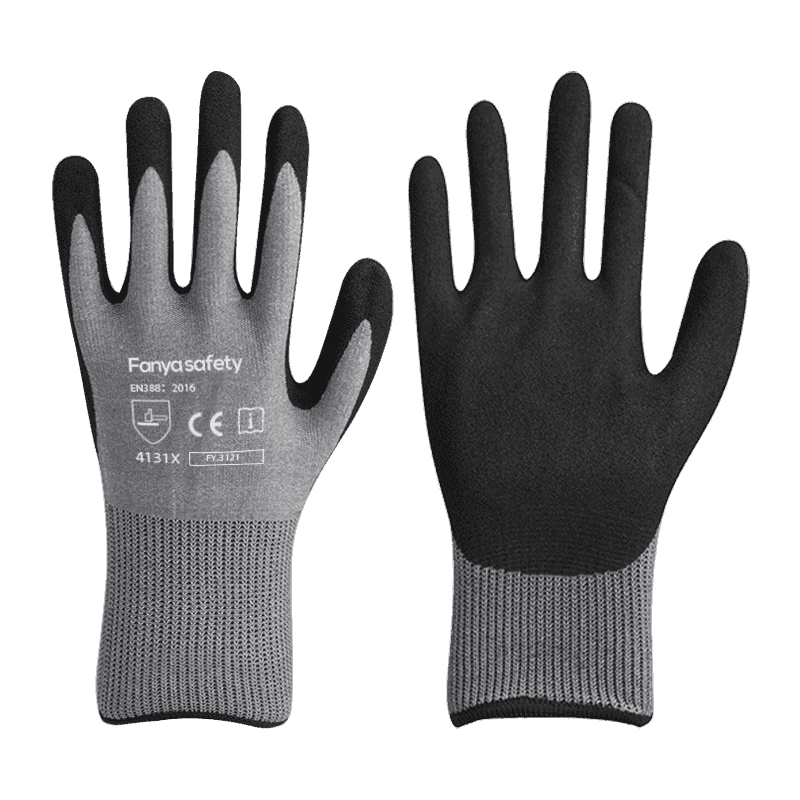
 PU Coated Work Gloves for Industrial UsePolyurethane-coated gloves offer superior tactile sensitivity, all-day comfort, and a reasonable price point, making them a practical choice for construction, manufacturing, automotive, and electronics.View Product →
The main practical benefits are superior tactile sensitivity, all-day comfort, and a reasonable price point.
The combination of nylon and PU is most useful in jobs that require precision and cleanliness.
They are not the right choice for very oily or very rough handling. For oily tasks, nitrile coated gloves are more appropriate. For heavy construction, PVC or latex options generally offer better protection.
When comparing nylon and PU gloves from different suppliers, the table below covers the specifications that have the largest impact on performance.
| Specification | What It Affects | Recommended Choice |
|---|---|---|
| Gauge (13G / 15G / 18G) | Level of finger dexterity vs. fabric strength | 18G for precision; 15G for general work |
| Coating coverage | Grip area, protection, breathing | Palm-coated for most handling tasks |
| Cuff style | Wrist fit, entry speed, debris protection | Knit wrist for quick donning |
| Size range | Human fit, fatigue, control | Sizes 7 to 10 |
A supplier that covers a wide gauge range and offers different coating variants is valuable because you can standardise on one partner for several product lines. For example, a PU coated glove with a high-denier HPPE liner is a cut-resistant gloves option for more demanding applications.
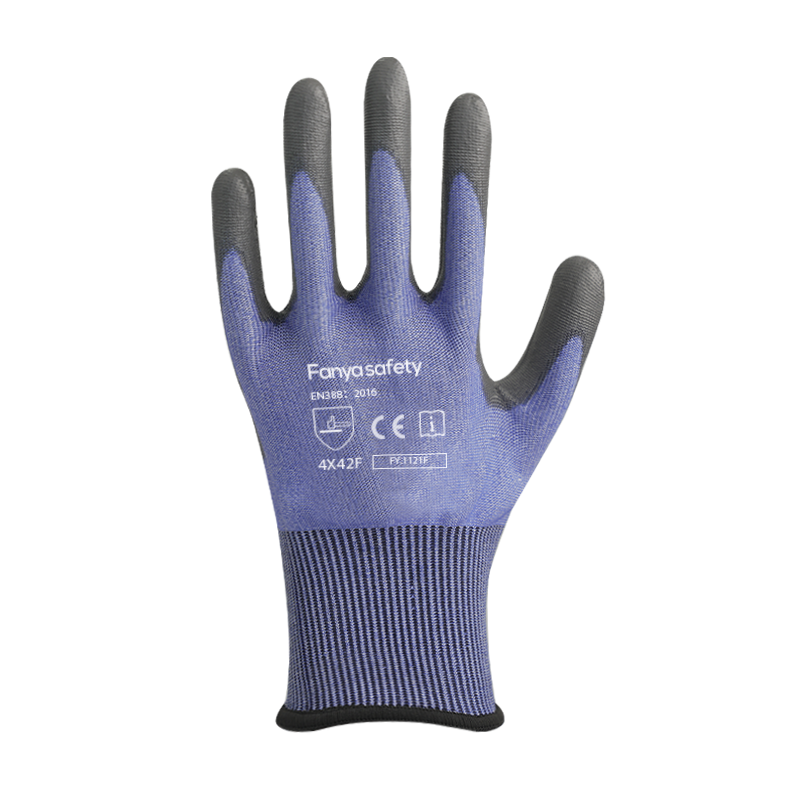 18G HPPE Fiber Liner Gloves with PU CoatingWith an 18-gauge HPPE liner, these gloves combine high cut resistance with flexibility, while the thin PU coating ensures abrasion resistance and reliable grip on dry or slightly damp surfaces.View Product →
To know whether nylon and PU is the right choice for your workflow, compare it against the other main coating materials.
| Coating | Dry Grip | Oily Grip | Abrasion Resistance | Flexibility |
|---|---|---|---|---|
| Polyurethane (PU) | Excellent | Fair | Good | Excellent |
| Nitrile | Excellent | Excellent | Good | Good |
| Latex | Good | Fair | Good | Good |
| PVC | Good | Good | Excellent | Fair |
In short: PU wins when the job is dry and requires dexterity. Nitrile wins when oil is present. Latex wins for general construction but carries allergy risk. PVC wins for heavy outdoor exposure. Your material choice should follow the actual work environment, not the price tag alone.
A well-made nylon and PU glove can be reused several times if it is cleaned and stored correctly.
Even with good care, PU gloves should be inspected before each shift. If the coating wears off around the fingertips or the liner shows holes, replace the pair.
They offer acceptable resistance to light oil but perform best in dry handling. For constant exposure to oil, nitrile coated gloves are the safer choice.
Use 18G for high-precision tasks, 15G for general assembly and inspection, and 13G for materials handling where durability is more important than dexterity.
Yes. Wash them in mild soap and cold water, then air dry. Avoid heat and bleach. The PU coating will last longer if you store the gloves flat. Properly maintained, a pair can survive many shifts before replacement.
Nylon is softer, more elastic, and has better moisture-wicking properties. Polyester is more rigid and tends to pill over time. For comfort in a full-day shift, nylon is the better option.
Yes. An 18G nylon liner with a thin PU coating gives you the tactile sensitivity needed to place micro-components and the dexterity to handle cables. The PU coating also prevents skin oils from damaging sensitive electronics.
The two terms are usually used interchangeably. "Coated" and "dipped" both refer to the process of applying a thin polymer layer to the liner. Some suppliers use them differently to indicate the depth of coverage, but the product itself is the same.
The lifespan depends on the abrasiveness of the surface handled and how well the gloves are cared for. In a typical dry packaging or assembly job, a pair can last from one to three weeks. In harsh conditions, replacement is needed sooner. It is practical to test a small batch first before placing a larger order.
Nylon and polyurethane gloves are a proven and practical choice for dry handling tasks that demand precision, comfort, and dependable grip. Nylon liners provide the stretch and moisture control that keep workers comfortable all day, while PU coatings add the abrasion resistance and dry grip needed to keep products moving.
When ordering, focus on the gauge, coating coverage, cuff style, and size range. Ask for samples, test them in your actual work environment, and then compare total cost over the lifespan of the glove. This simple approach reduces the chance of warehouse returns and gives your team a glove they will actually wear.
Your email address will not be published. Required fields are marked *
You can contact to me using this form.