
 中文简体


Product Consultation
Your email address will not be published. Required fields are marked *

Content
Yes — nitrile gloves are food safe. That is the short answer. The longer answer is that nitrile gloves intended for food handling are manufactured to meet contact regulations, made without powder in most cases, and sold with the appropriate certifications or food-grade labeling that commercial kitchens, food processors, and restaurant buyers should look for. Not every nitrile glove on the market is automatically suitable for direct food contact, so knowing exactly what separates a food-safe nitrile glove from a general-purpose industrial one matters when you are buying in bulk for a business.
This guide walks through why nitrile is the go-to material for food work, what to check before purchasing, how nitrile compares to latex and vinyl, which glove thickness and texture to choose for common kitchen tasks, and how reusable nitrile-coated gloves fit into the wider food supply chain. You will also find best-practice handling tips and answers to the questions buyers ask most often.
Nitrile gloves are made from nitrile butadiene rubber, a synthetic polymer that does not contain natural rubber latex proteins. This single material property solves a problem that latex gloves have created in commercial kitchens for decades: latex allergies and contact dermatitis among staff who wear gloves for six to ten hours a day. A 2020 survey of food service workers in the United States found that roughly 4.3 percent of the general population suffers from some form of latex allergy, and that number is significantly higher among healthcare and food service workers who wear latex gloves regularly. Nitrile eliminates that risk entirely because it is a synthetic material.
Beyond allergen safety, nitrile has three physical properties that make it well suited to food environments:
For these reasons, major food safety audits and kitchen inspection frameworks in the US, EU, and many Asian markets now routinely accept or recommend nitrile as a compliant glove material for food contact. It has replaced latex as the default choice in most professional kitchens and food processing plants.
“Food safe” is not a single universal certification. Different countries and regions regulate food-contact materials through different frameworks, but for everyday procurement purposes you can evaluate a nitrile glove using these four criteria:
Choose powder-free nitrile gloves for any food contact application. Powdered gloves typically use cornstarch as a donning agent, which can contaminate food, interfere with the taste, and leave particulate residue on prep surfaces. Many food safety inspectors specifically flag powder contamination during audits, and several large food service chains now require powder-free gloves as a supplier condition. Powder-free nitrile gloves are processed with a chlorinated or polymer-coated surface so they slip on easily without any added powder.
Check the product packaging or the manufacturer’s technical datasheet for a statement confirming the glove is suitable for food contact. This appears as “food grade,” “food-safe,” “FDA-compliant for food contact,” or an EU equivalent. In practice, this label means the glove formulation — including the nitrile compound, pigments, and processing aids — has been reviewed and found acceptable for incidental or direct contact with food. If a pack of nitrile gloves carries no food-contact statement at all, treat it as an industrial glove and do not use it for food prep.
Nitrile gloves are cured using chemical accelerators, most commonly thiurams, carbamates, and mercaptobenzothiazole. Some of these accelerators can cause Type IV contact dermatitis in sensitive individuals — not a food safety issue per se, but a real occupational health concern. Accelerator-free nitrile gloves are now widely available and are the preferred choice for kitchens where staff wear gloves for prolonged periods. When comparing quotes from different suppliers, ask specifically whether the glove uses an accelerator-free formulation; it typically costs 10–15 percent more than standard nitrile but reduces skin irritation complaints noticeably.
Food-service nitrile gloves generally come in thicknesses from 3 to 8 mil (1 mil = 0.001 inch). A 3–4 mil glove offers bare-hand-like dexterity for delicate tasks like assembling sushi or plating garnishes. A 5–6 mil glove balances durability and feel for general prep work. A 7–8 mil glove is best for heavy-duty tasks like breaking down raw meat or handling seafood with sharp shells. Cuff length also matters: standard 9-inch gloves cover the hand and wrist, while 12-inch glove models extend further up the forearm for tasks involving splashing liquids.
Many food buyers compare nitrile against latex and vinyl before settling on a glove material. The table below summarizes the practical differences that affect daily kitchen operations, staff comfort, and cost.
| Property | Nitrile | Latex | Vinyl |
|---|---|---|---|
| Latex protein allergy risk | None | High | None |
| Oil and grease resistance | Excellent | Fair | Poor |
| Puncture resistance (relative) | High | Medium | Low |
| Elasticity and fit | Good | Excellent | Loose |
| Typical cost per box of 100 | $8–$18 | $7–$15 | $4–$9 |
| Environmental breakdown | Slow | Biodegradable | Very slow |
In practice, nitrile is the most balanced material for food work because it scores well on allergen safety, oil resistance, and durability at the same time. Latex remains the cheapest option for short-duration tasks when no staff members have a latex sensitivity, but the allergy risk and the fact that latex breaks down quickly when exposed to cooking oils push many kitchens away from it. Vinyl gloves are low-cost and acceptable for very short, low-risk tasks like assembling sandwiches, but they tear easily and offer almost no protection against oily or acidic food.
Not all food handling is the same. The glove you choose should match the task’s level of moisture, oil, sharpness, and dexterity requirements.
When you are sourcing gloves for a business, it is common to stock two thicknesses: a thin, dexterous model for prep and service, and a heavier model for meat cutting and cleaning tasks. This two-tier approach keeps glove costs down without compromising safety.
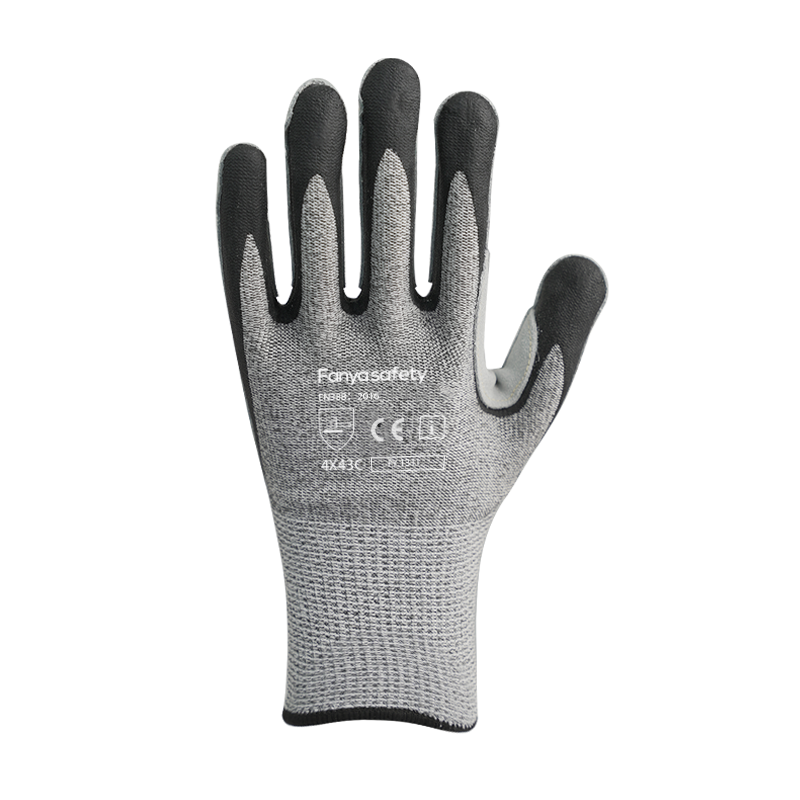
Disposable nitrile gloves are only part of the picture. In the wider food supply chain — cold storage warehouses, food distribution centers, and commercial catering logistics — workers handle pallets, crates, frozen boxes, and reusable transport containers for hours at a time. These tasks do not involve direct contact with food itself, but they require a glove that resists abrasion, stays grippy at low temperatures, and can be worn repeatedly. This is exactly the niche that reusable nitrile-coated work gloves occupy.
A nitrile-coated glove consists of a knitted liner (polyester, nylon, bamboo, or HPPE fiber) dipped in nitrile foam or a solid nitrile layer. The coating provides grip in wet or oily conditions, while the knitted liner keeps the hand warm and comfortable. In a food warehouse operating at −18°C, a 13-gauge bamboo or polyester liner with nitrile coating offers better insulation and grip than a disposable nitrile glove ever could. These reusable gloves are not a substitute for single-use food handling gloves; they are the correct choice for upstream logistics, equipment maintenance, and loading docks where disposable gloves would tear within minutes.
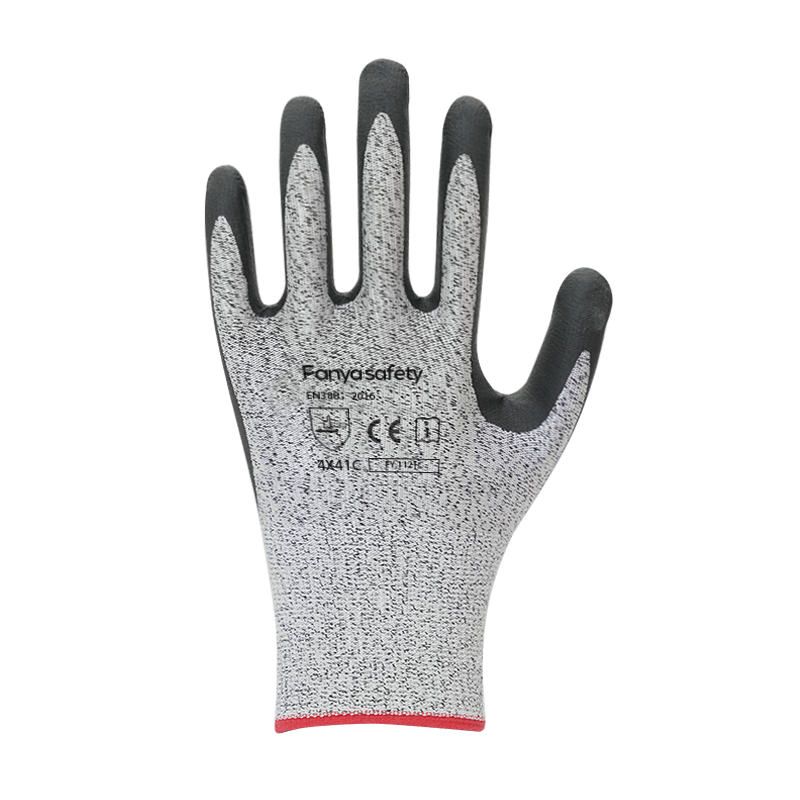
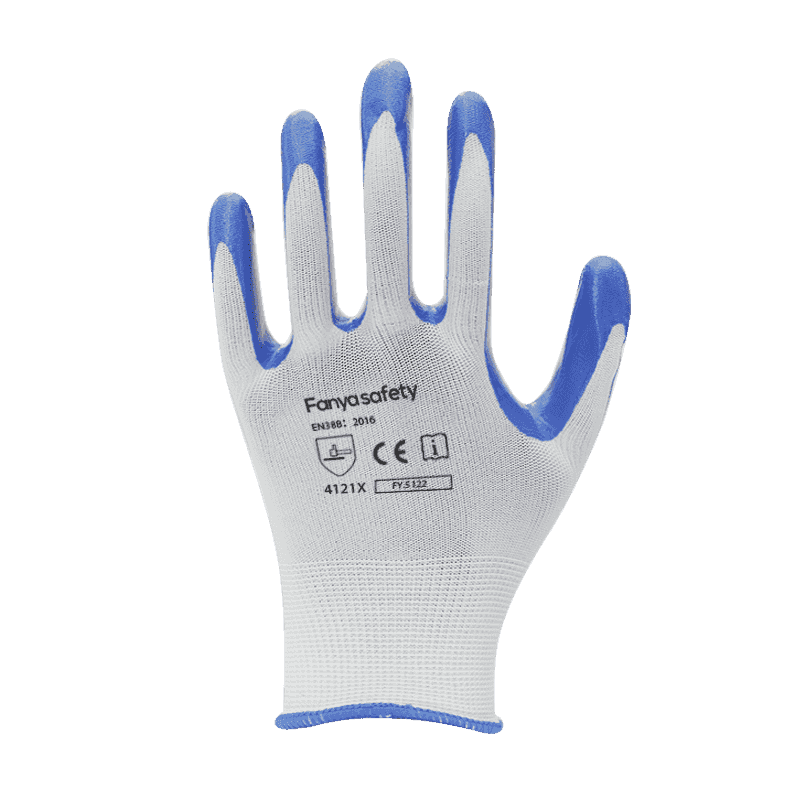
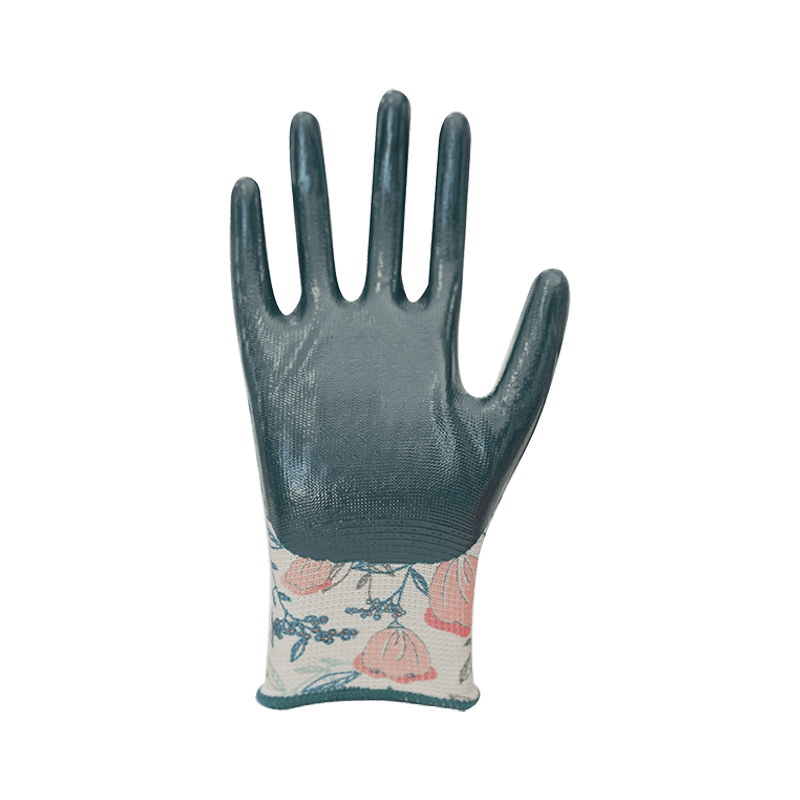
For dry goods handling and general warehouse work where you need a balance of breathability and oil resistance, a 13-gauge polyester liner with nitrile coating is one of the most widely specified designs in the industry. It is flexible enough for picking and sorting, yet the nitrile coating protects against diesel, lubricants, and food-grade oils commonly present in loading areas.
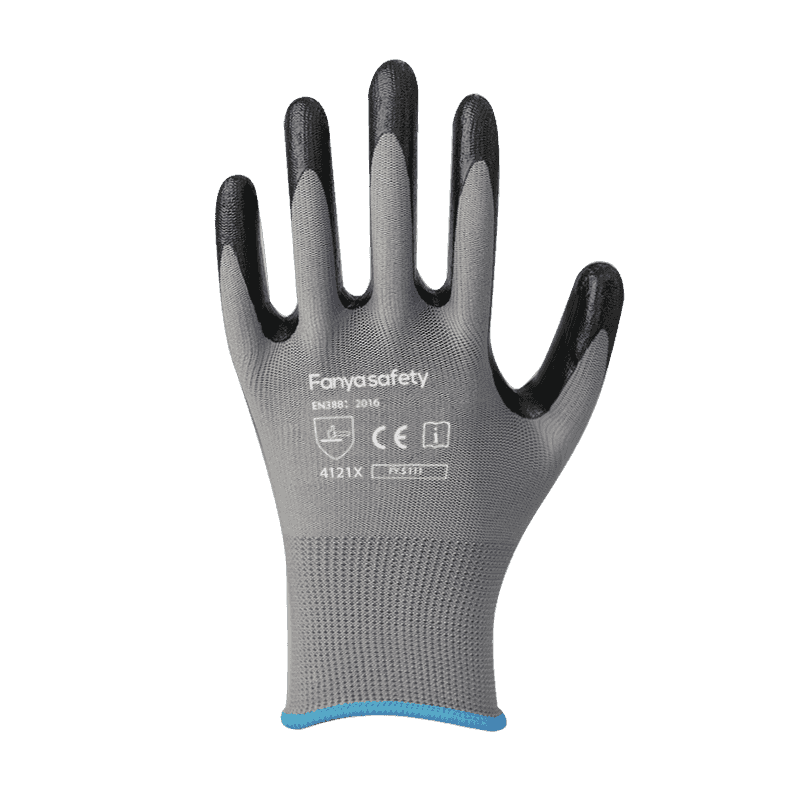 13-Gauge Polyester Liner Glove with Smooth Nitrile CoatingThis glove pairs a 13-gauge polyester liner with a smooth nitrile coating, offering flexibility for picking and sorting while resisting oils and abrasion. It suits dry goods handling and general warehouse tasks requiring breathability and oil protection.View Product →
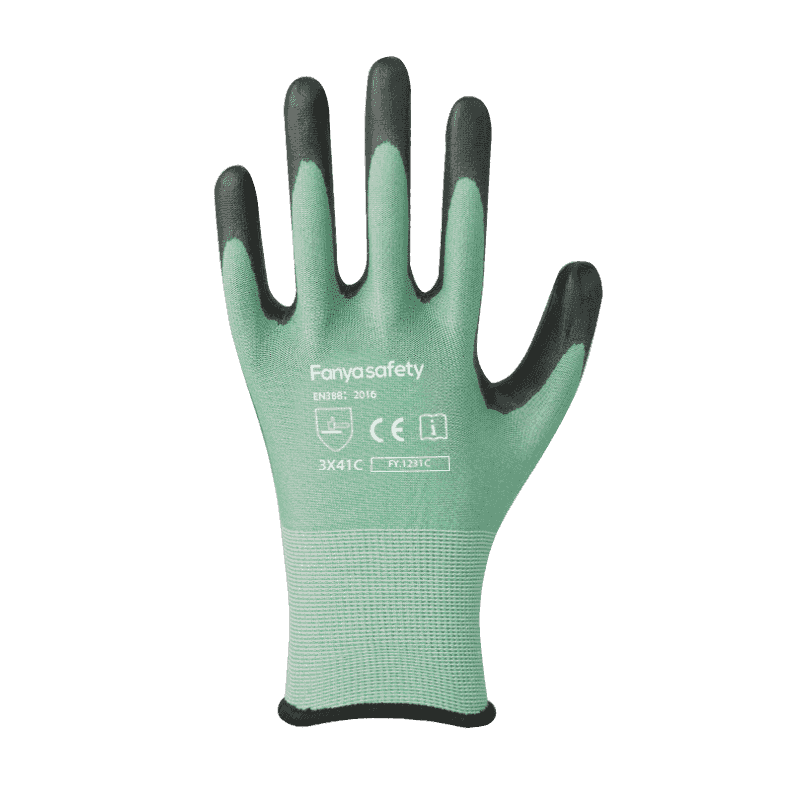
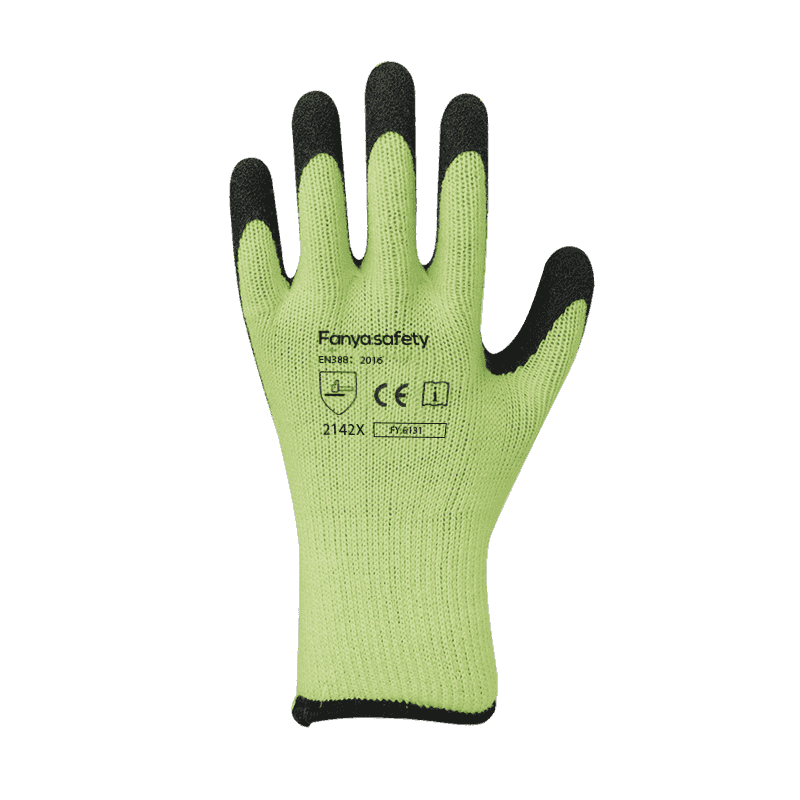
In cold-chain environments where workers move between freezer and dry storage, a bamboo-based liner with nitrile coating offers a good combination of thermal comfort and abrasion resistance. Bamboo fiber also wicks moisture better than synthetic-only liners, which helps when hands sweat during temperature transitions.
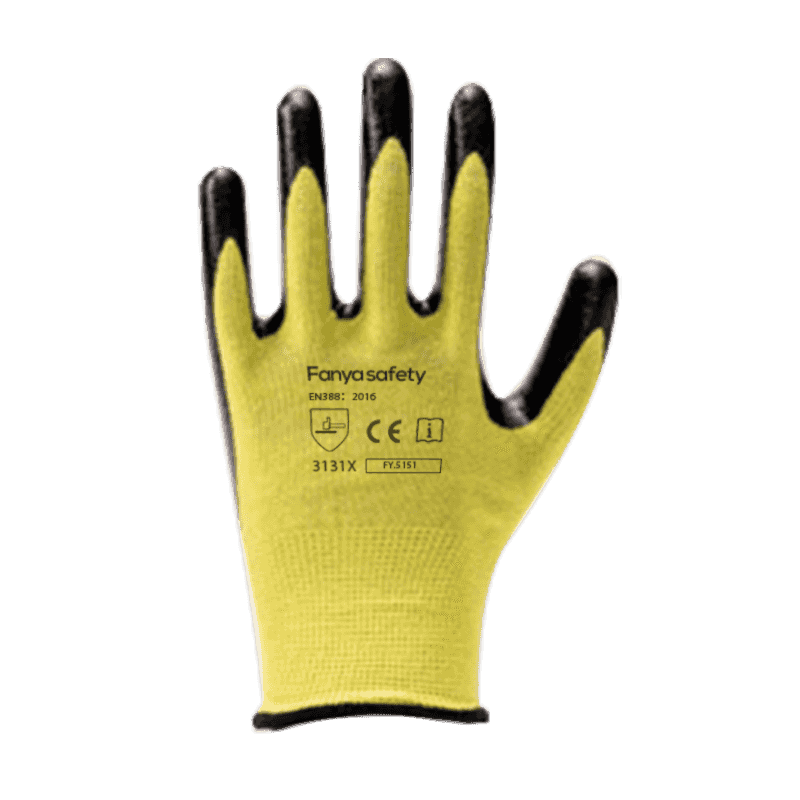 13-Gauge Bamboo Liner Glove with Nitrile CoatingMade with a bamboo-based liner and nitrile coating, this glove provides thermal comfort for cold-chain work and better moisture wicking during temperature changes. Its abrasion resistance suits movement between freezer and dry storage areas.View Product →
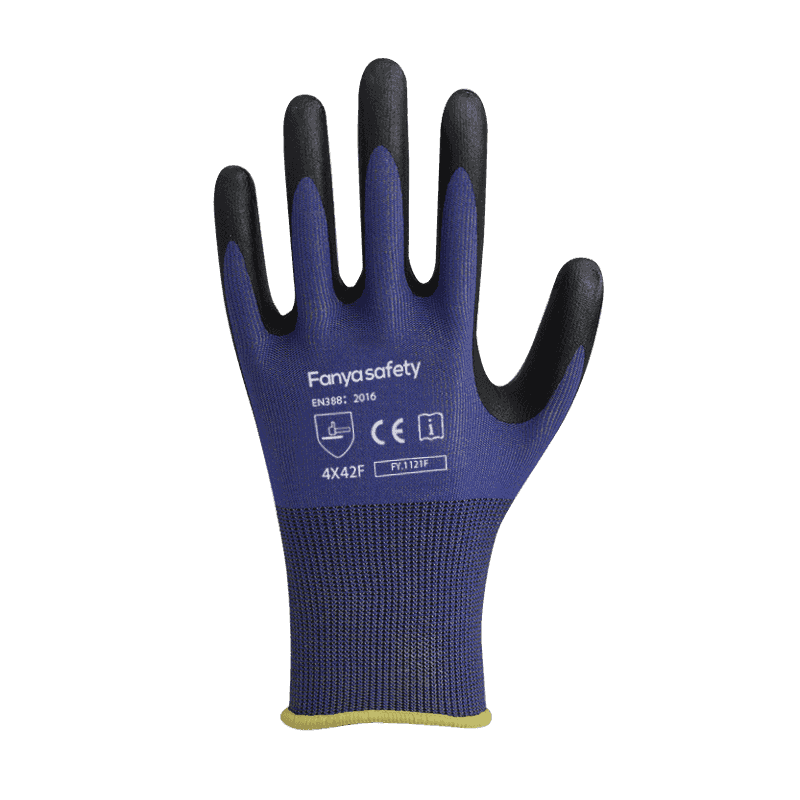
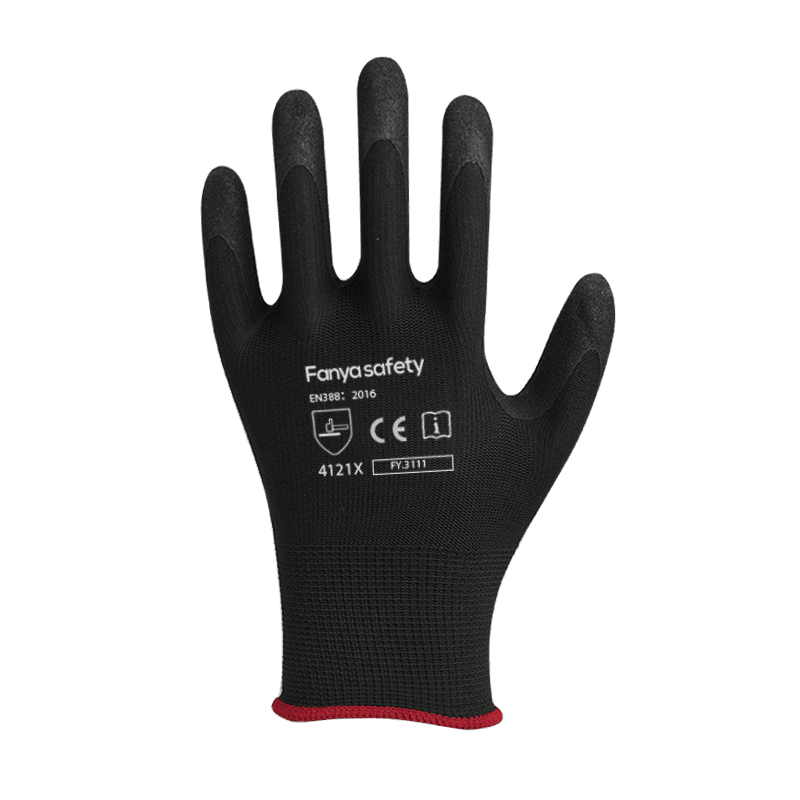
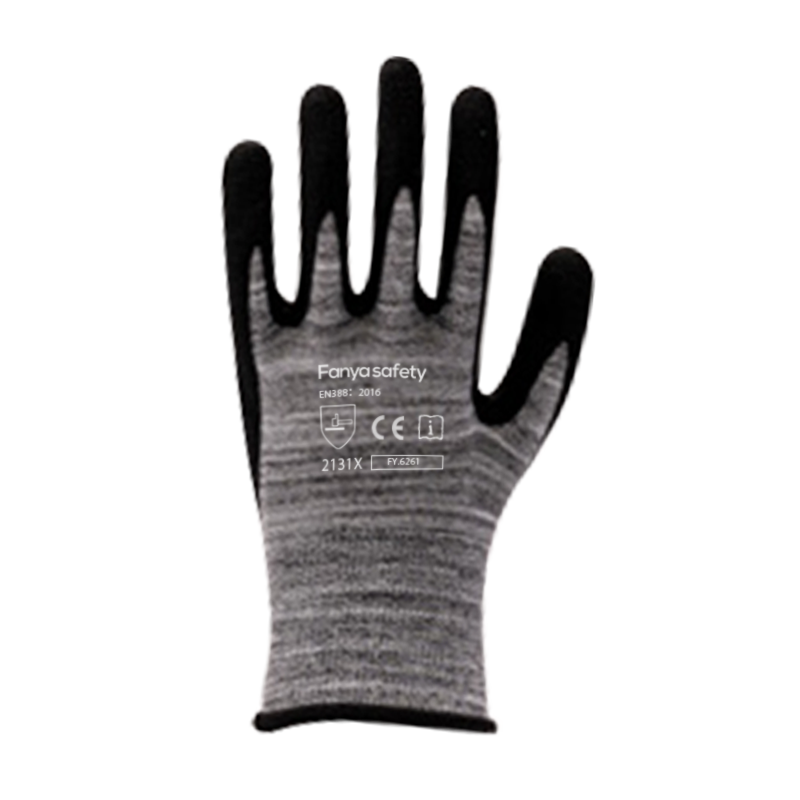
When wet or slippery surfaces are the main problem — like washdown areas, fish processing lines, or beverage distribution — a sandy nitrile double coating provides an aggressive grip pattern that sheds water and oil. The double-layer construction also extends the glove’s service life in abrasive handling tasks, reducing replacement frequency in high-volume operations. If you want to compare coated glove options more closely, our earlier introduction to nitrile-coated gloves breaks down the various liner and coating combinations used in food-adjacent industries.
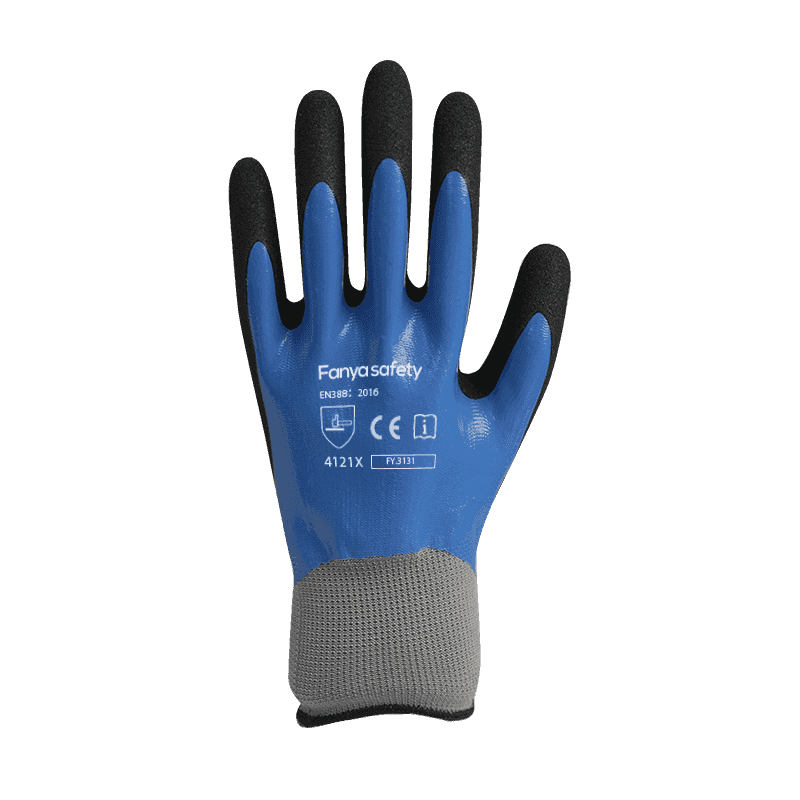 13-Gauge Polyester Liner Glove with Sandy Nitrile Double CoatingThis glove features a 13-gauge seamless liner and a double sandy nitrile palm coating, delivering high oil resistance and reliable grip in dry, wet, or oily conditions. Its durable construction reduces replacement frequency in abrasive handling tasks.View Product →
For buyers evaluating reusable glove suppliers, the key specs to compare are liner gauge (13g, 15g, 18g), coating type (foam nitrile, sandy nitrile, full nitrile), and coating coverage (3/4 dip vs. full dip). A manufacturer with in-house knitting and coating lines — such as Jiangsu Fanya Labour Protective Products Co., Ltd., with 17 automated production lines and an annual capacity of 5 million dozen pairs — can offer more consistent quality and faster customization than a trader who sources gloves from multiple sub-suppliers. You can also check our broader overview of work glove categories to understand how different glove types perform in logistics environments.
A quick note on sourcing: when you request samples from a glove manufacturer, ask them to confirm which of their coated glove models are food-contact-compliant. Many nitrile coated gloves are not certified for direct food contact — they are intended for non-food tasks in food facilities. Make sure your purchasing records clearly distinguish between disposable food-contact gloves and reusable industrial gloves.
Buying the right food-safe nitrile glove is only half the job. Correct usage determines whether gloves actually prevent contamination or just create a false sense of security. These practices matter in both commercial kitchens and home cooking:
For commercial operations, consider posting a glove-change schedule near prep stations. Many restaurant chains now use color-coded glove stations — blue gloves for raw proteins, clear gloves for ready-to-eat food — to reduce cross-contamination mistakes during busy shifts.
Yes. Glove color is purely a visual feature — blue nitrile gloves use the same nitrile base material as clear or black nitrile gloves, and the blue pigment does not affect food safety. In fact, many food service operations specifically choose blue gloves because the color is easy to spot if a piece of glove tears and falls into food. The key is to verify that the specific blue glove you are buying has a food-contact labeling statement. Not all blue nitrile gloves on the market are manufactured to the same standard, so always check the packaging.
Yes, medical-grade nitrile gloves can be used for food prep — and they are often higher quality than basic food-service gloves because they are manufactured under stricter quality control standards and tested to a lower acceptable quality level for pinhole defects. The confusion works the other way: a food-service glove is not automatically suitable for medical use. So if you have access to medical-grade nitrile gloves, they are perfectly safe for food handling. The main downside is cost — medical-grade gloves typically cost 10–20 percent more than food-service-grade gloves.
No. Nitrile gloves are made from nitrile butadiene rubber, a completely synthetic material that contains no natural rubber latex proteins. This makes nitrile gloves the standard recommendation for people with latex allergies. However, it is worth noting that a small percentage of people can be sensitive to the chemical accelerators used in nitrile glove manufacturing. If that is a concern, look for accelerator-free nitrile gloves.
Disposable nitrile gloves are designed for single use and should not be washed, sanitized, and reused. Washing degrades the polymer barrier and creates micro-tears. If you need a reusable glove for food handling, there are thicker reusable nitrile gloves designed explicitly for repeated use, but these are not the same product as a disposable examination glove. For food service compliance, the safest policy is strictly single-use.
The formulation is often very similar, but the manufacturing and quality control differ. Food-grade nitrile gloves are produced in facilities that comply with food-contact material requirements, and the finished product is tested for migration of substances into food. The material formulas may also avoid certain pigments or additives that have not been cleared for food contact. Industrial nitrile gloves can contain pigments, printing inks, or surface treatments that have not been reviewed for food contact. Always buy from a supplier who can confirm food-contact compliance in writing.
For hot food, nitrile handles short-term contact with temperatures up to around 110–120°C without melting, which covers most serving and handling situations. However, prolonged contact with very hot oil or direct contact with a hot grill surface can degrade the glove and should be avoided. For spicy food, nitrile’s chemical resistance prevents capsaicin oil from penetrating through the material — one of the reasons kitchen staff handling chili peppers prefer nitrile over latex or vinyl.
Nitrile gloves are food safe when the product is explicitly formulated and labeled for food contact, free of powder, and used as a single-use barrier. For direct food handling in commercial kitchens, choose powder-free nitrile gloves with a food-contact statement on the packaging, selecting a thickness that matches the task — 3–4 mil for dexterous work, 5–6 mil for general prep, and 7–8 mil for raw meat and seafood tasks. For food warehouse, logistics, and loading dock work where disposable gloves are impractical, reusable nitrile-coated gloves provide a durable, grippy alternative that keeps workers protected without the waste of frequent glove changes.
Whether you are stocking a restaurant, a catering business, or a food distribution center, the process is the same: confirm the food-contact compliance, choose the right thickness for the job, train staff on proper glove-change discipline, and buy from a manufacturer who can answer those questions clearly. If you are sourcing reusable nitrile-coated gloves, ask for specification sheets that state liner material, coating coverage, and any food-contact approvals so your procurement files stay audit-ready.
Your email address will not be published. Required fields are marked *
You can contact to me using this form.