
 中文简体
中文简体
Product Consultation
Your email address will not be published. Required fields are marked *
Content
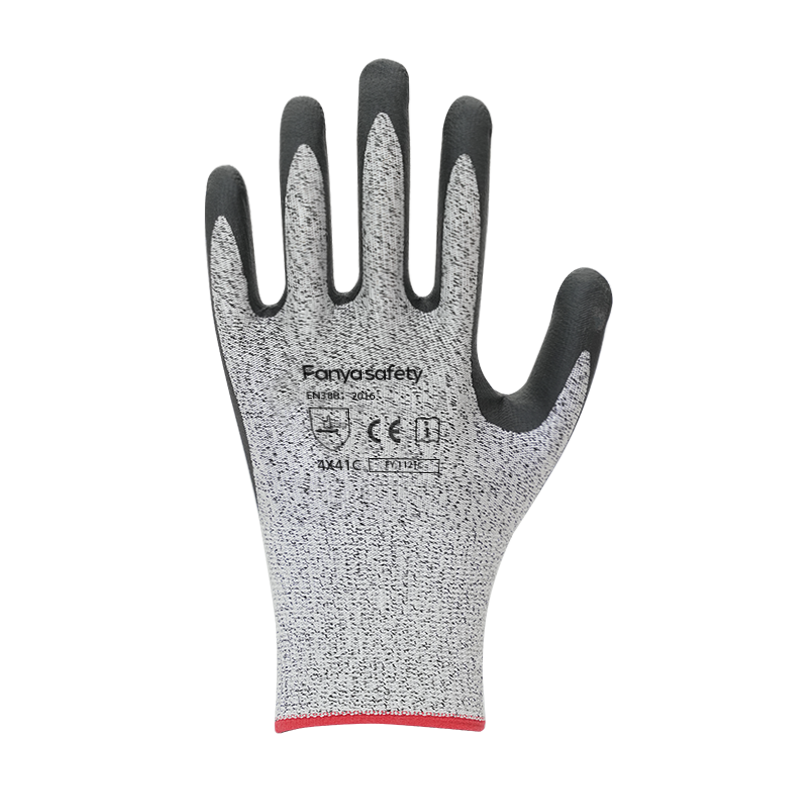
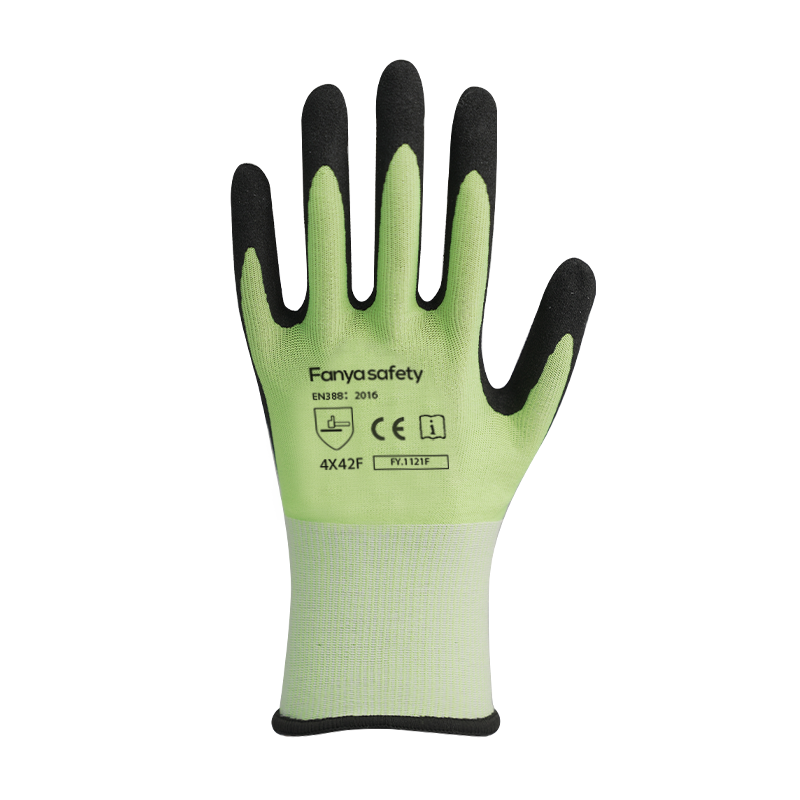
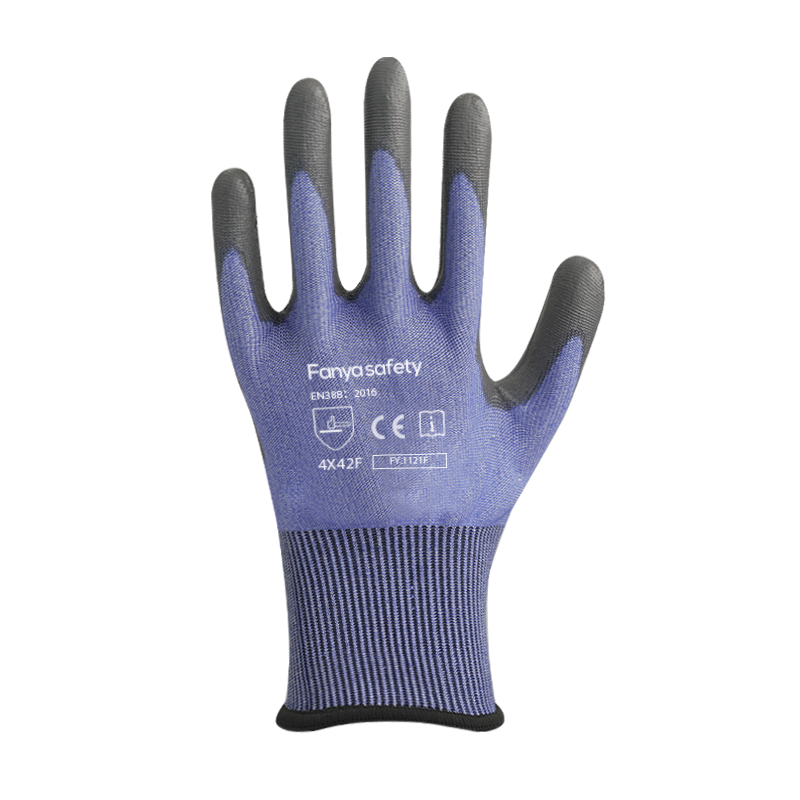
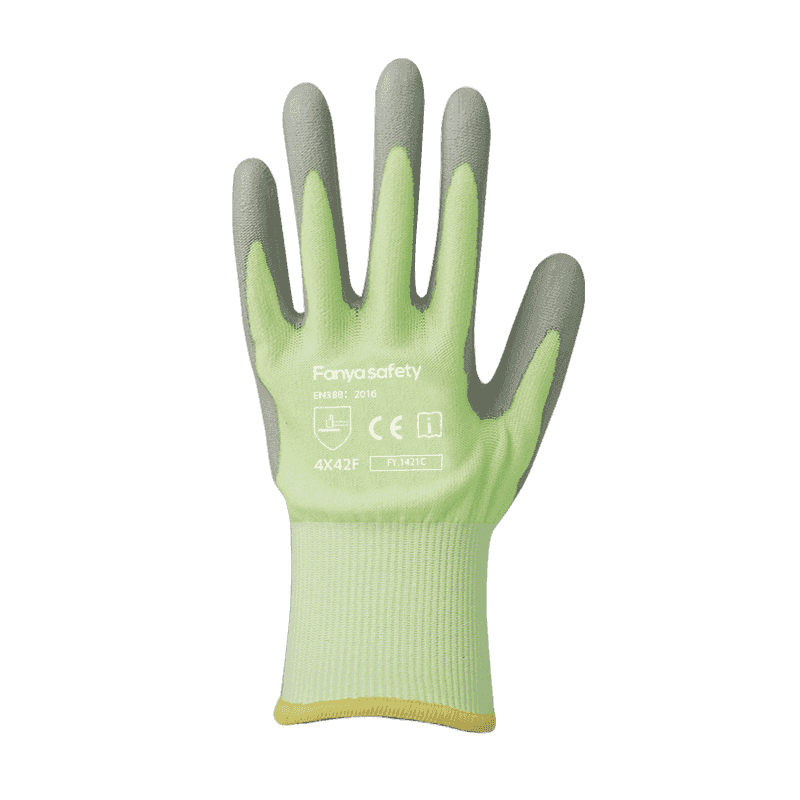
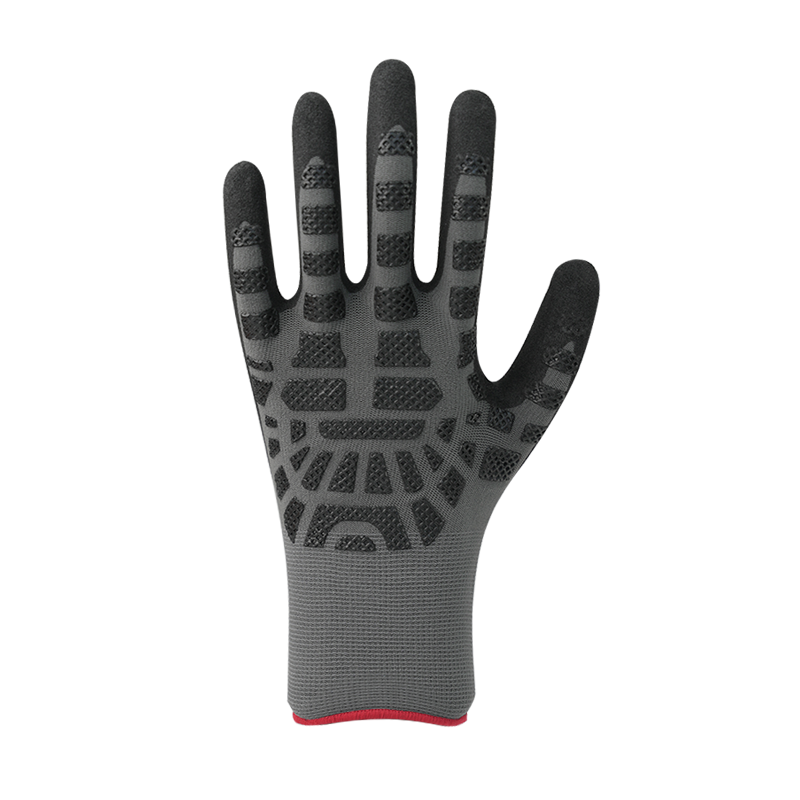
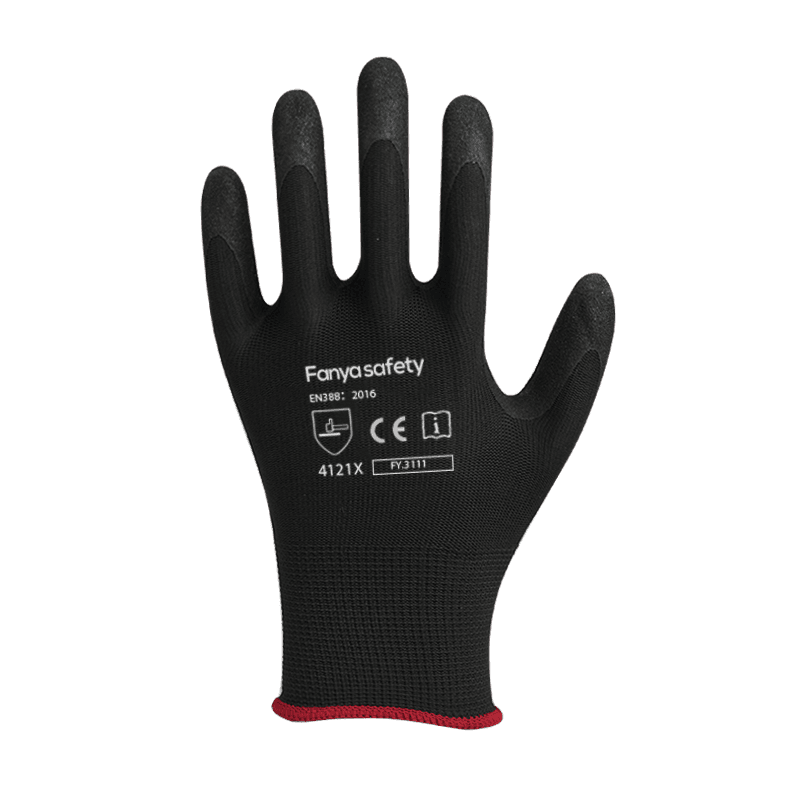
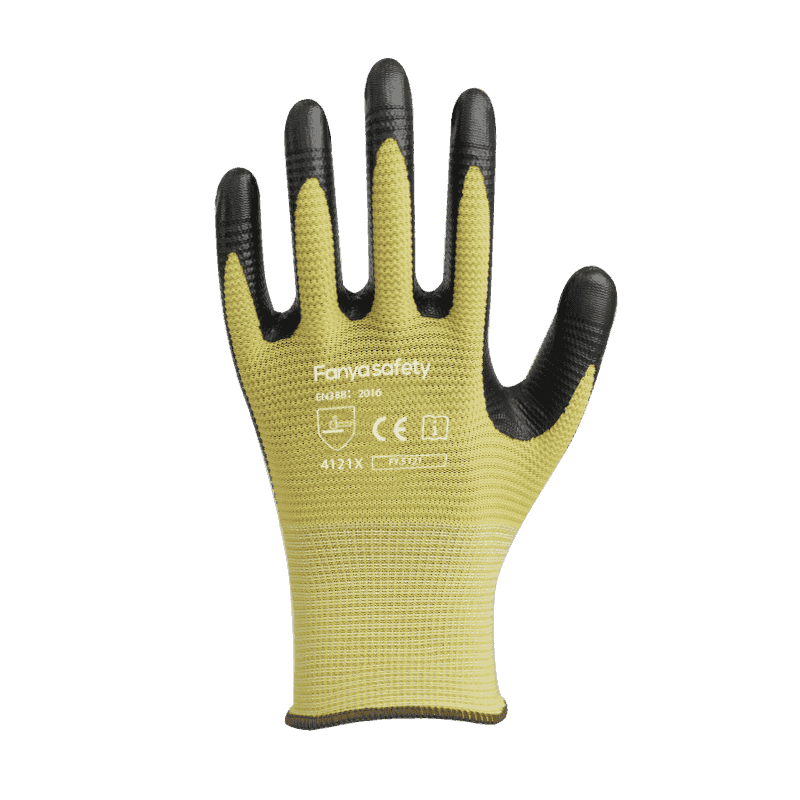
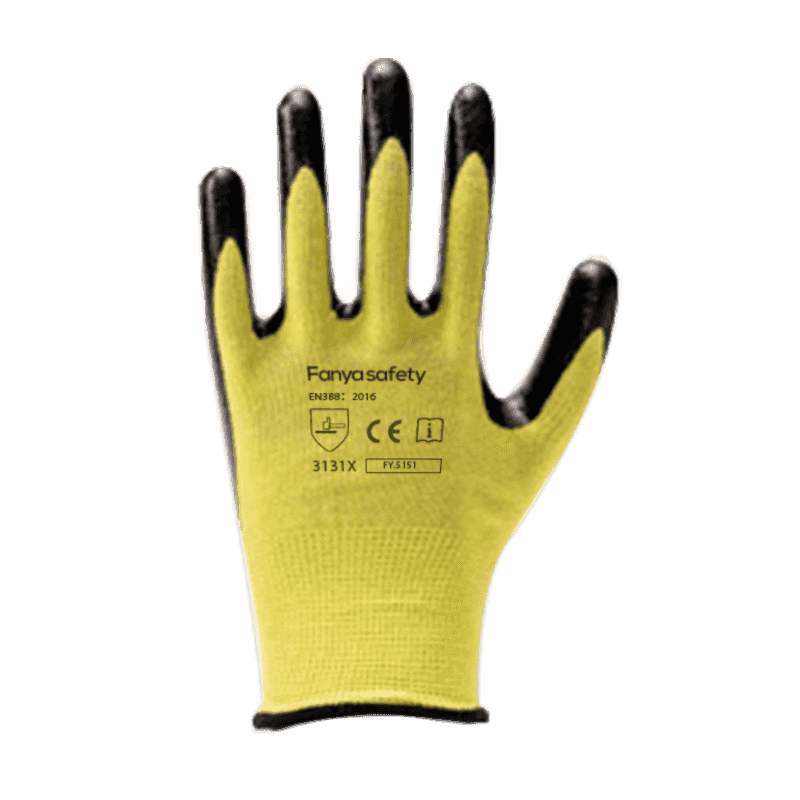
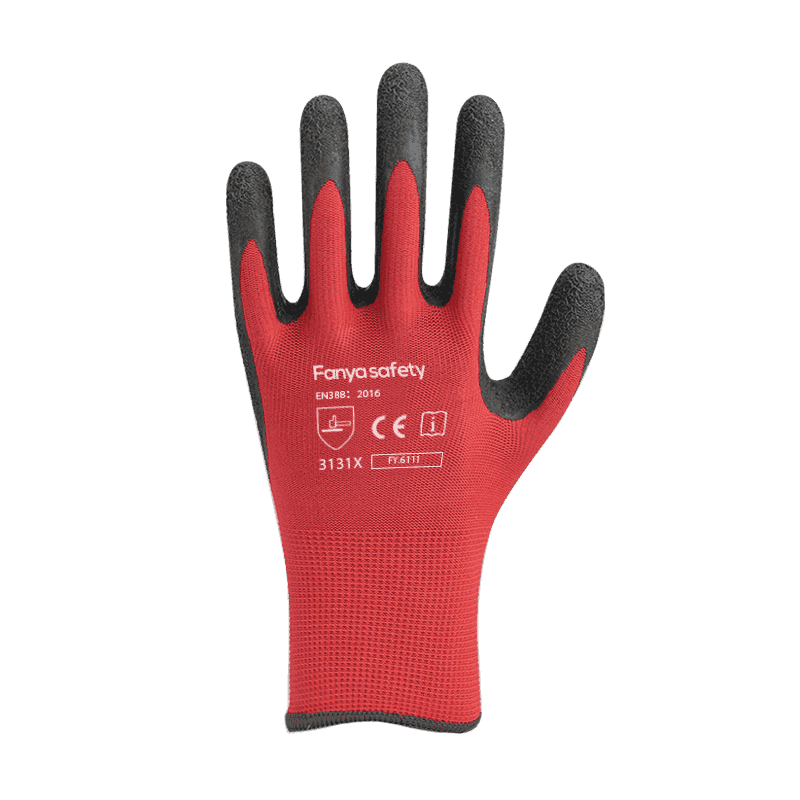
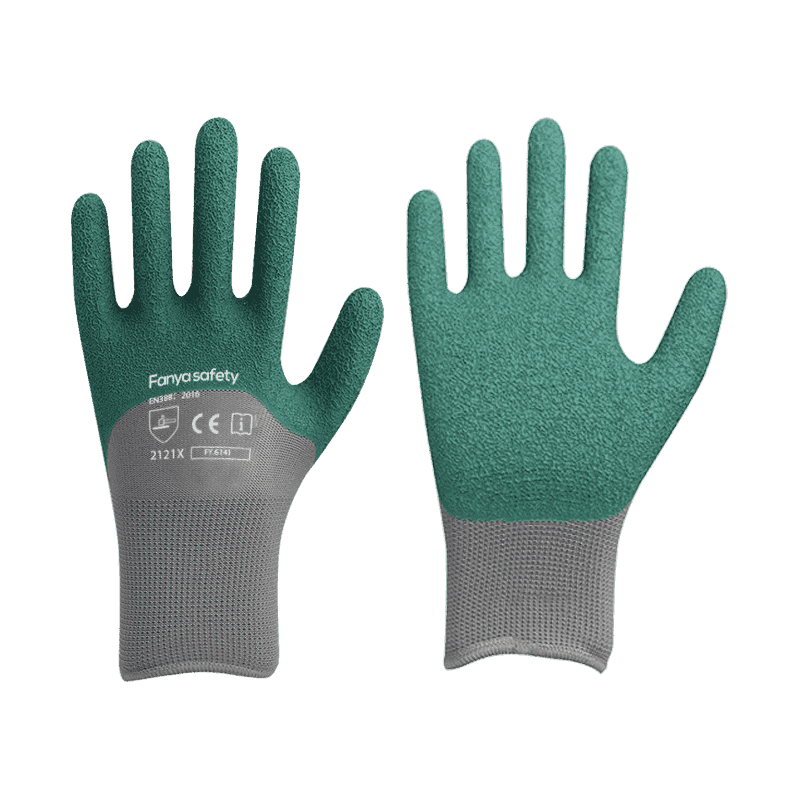
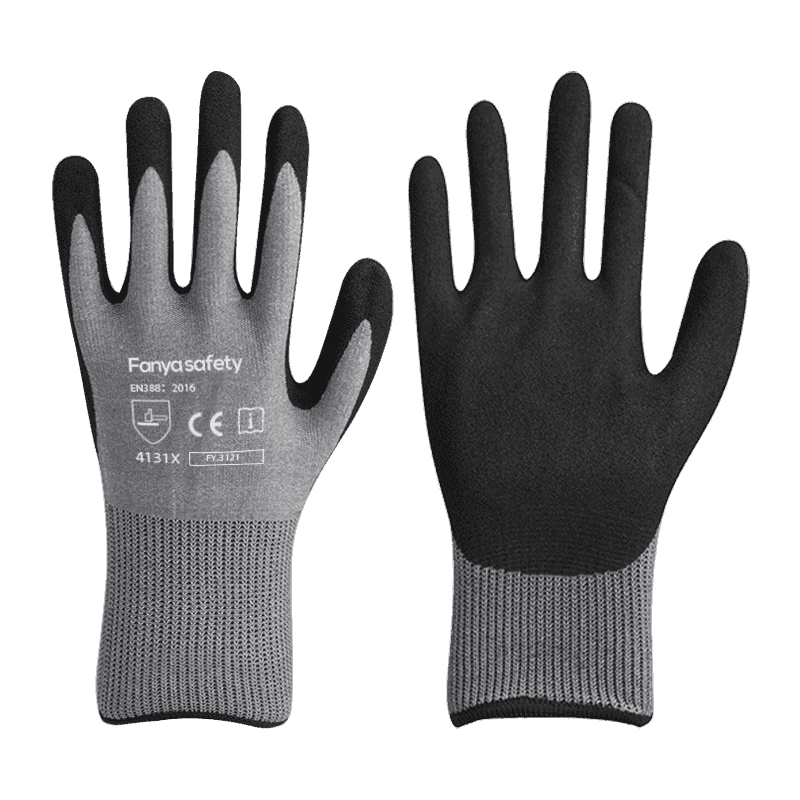
These gloves are commonly called foam gloves, and they're considered an "all-rounder" by manual laborers. Simply put, they're lightweight cloth gloves with a porous adhesive coating on the palm area.
This design makes them superior to ordinary gloves in many situations. Let's break down the tasks they're best suited for:
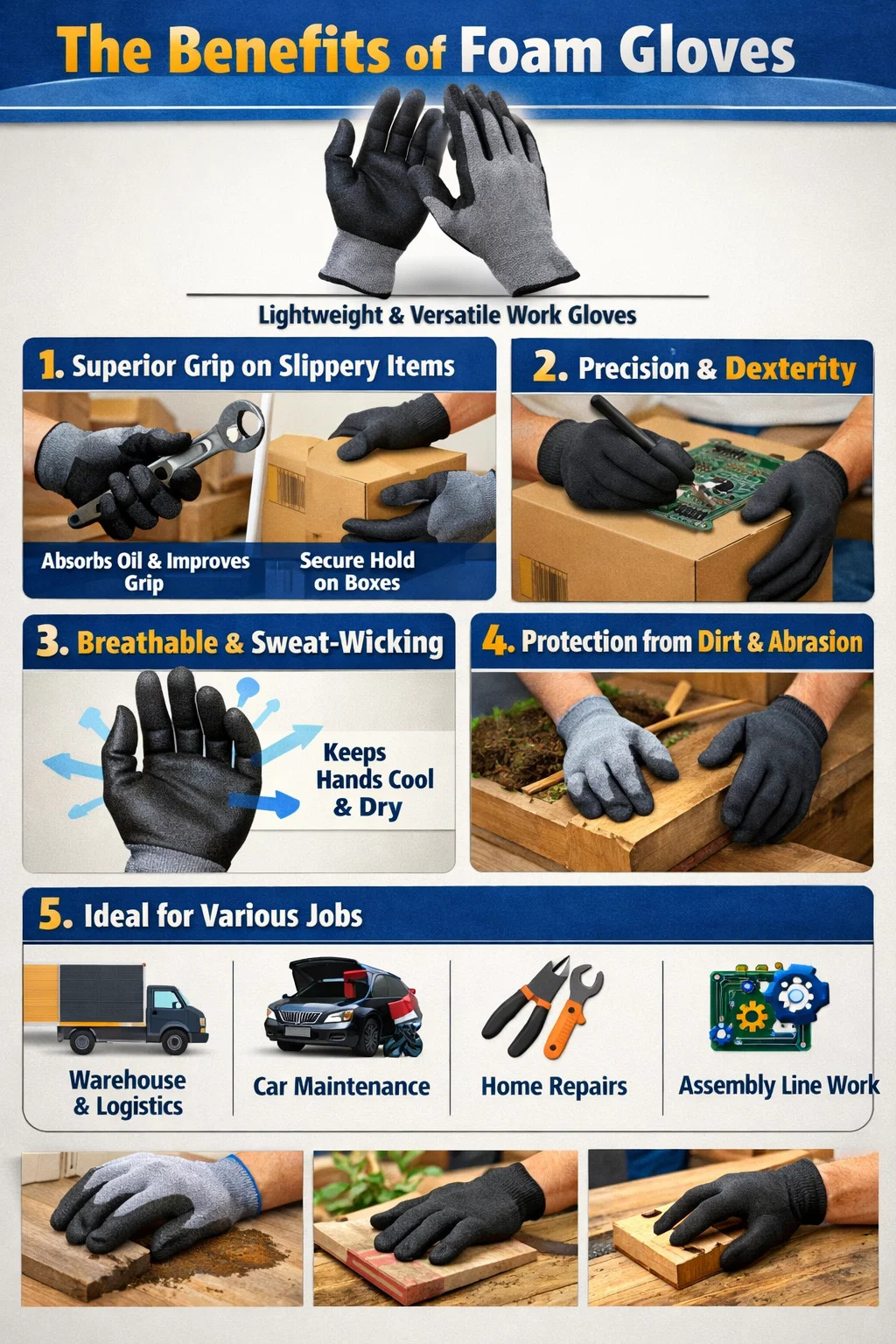
This is where foam gloves excel.
Oil Absorption and Slip Resistance: When repairing cars or handling machinery, your hands often get oily. Ordinary plastic gloves become unusable when oily, but the coating of foam gloves acts like a sponge, with many tiny pores that absorb some of the surface oil and water, allowing you to grip parts and wrenches steadily.
Handling Cardboard Boxes: When moving packages in a warehouse or moving house, the surface of cardboard boxes is very slippery. Wearing these gloves increases friction on your palms, saving a lot of effort.
If you find thick leather gloves cumbersome like "bear paws," then you should definitely try this type.
Fingertip Sensitivity: Because it's thin and elastic, it allows for free and flexible finger movement. Whether tightening a small screw, connecting an electrical wire, or doing fine carpentry work during renovations, this type of work glove allows you to feel the force in your hands, preventing a feeling of inadequacy due to its thickness.
Many people dislike wearing gloves while working because they find them stuffy and their palms sweaty.
Breathable and Sweat-wicking: As the name suggests, the coating isn't a rigid block. Air can pass through tiny, invisible pores, making it much more breathable than pure rubber gloves. After an afternoon of work, your palms won't be completely dry, but they won't feel sticky.
Breathable and Sweat-wicking: Since it's called "foamed," the coating isn't a solid block. Air can pass through tiny pores invisible to the naked eye, making it much more breathable than pure rubber gloves. After an afternoon of work, your palms won't be completely dry, but at least they won't feel sticky.
While not heavy-duty protection, it's more than sufficient for everyday use.
Dirty and abrasion resistant: Foam gloves help protect your hands from dust and dirt when gardening, painting, or moving furniture, and prevent blisters from rough surfaces. Although the rubber layer is thin, it's quite resilient and can handle most everyday friction.
Courier and logistics: Frequent handling of objects requires a non-slip grip.
Car maintenance: Contact with small amounts of oil stains requires dexterity.
Home repair: Assembling furniture, unclogging drains, or doing small crafts.
Light industrial assembly: Assembling electronic products or parts on factory assembly lines.
Your email address will not be published. Required fields are marked *
You can contact to me using this form.